
Hope someone is sharing theirs with you today.
Enjoying what you have, can do, can be
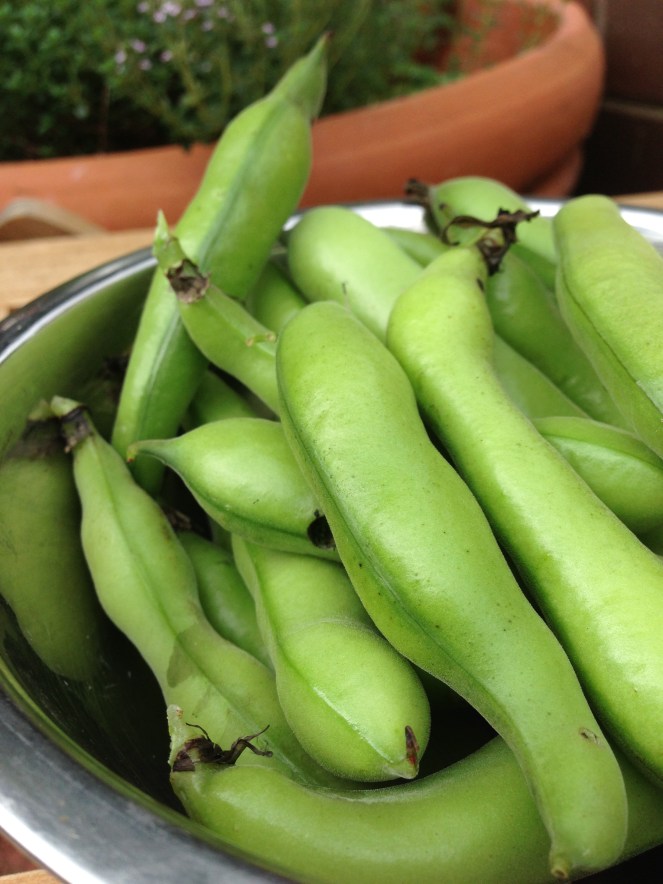
Every year I raise a patch of broad beans – and not because I am a broad who loves beans – but rather because I enjoy presiding over a vigorous leafy crop laden with produce. A thick forest of tall growth bursting with fat pods does wonders for the soul.
Invest in a packet of seed and plant yourself some rows when next you are given some sunny moments of alone time on a future weekend. If the soil is moist, there is not much else to do but wait for a few weeks to see your bean shoots appear. Once established, rather than deep watering, broad beans love a good spray. Soon white flowers with black spots will appear – the forerunner to your pods. During this period, as your crop develops, make regular visits and marvel at the dense growth.
Other than a gentle watering, these beans will ask nothing of you, will not notice if you’re sporting gumboots with pencil skirt and will stand silently by you as your strategy for dealing with an aberrant child is formulated.
Here is a soup derived from a recipe in my new soup bible, a tome that will be seeing me well through Winter 2013 and beyond. (Many of my favourite food people have had a hand in this book: Sophie Grigson, Monty Don and Sarah Raven, so it was impossible not to own a copy.)
1 tbsp olive oil
3 onions sliced
1 leek sliced
1.5 kg shelled broad beans
4 garlic cloves crushed
4 new potatoes, peeled and chopped
salt and pepper
flat leaf parsley
parmesan cheese
 Postscript: People originating from distant parts prefer to eat the beans freshly from the pod, with a glass of arak to see them down. Therefore, my beans rarely make it to the cooking pot, with often only a pile of vacated skins left abandoned on the counter top as evidence that they ever were.
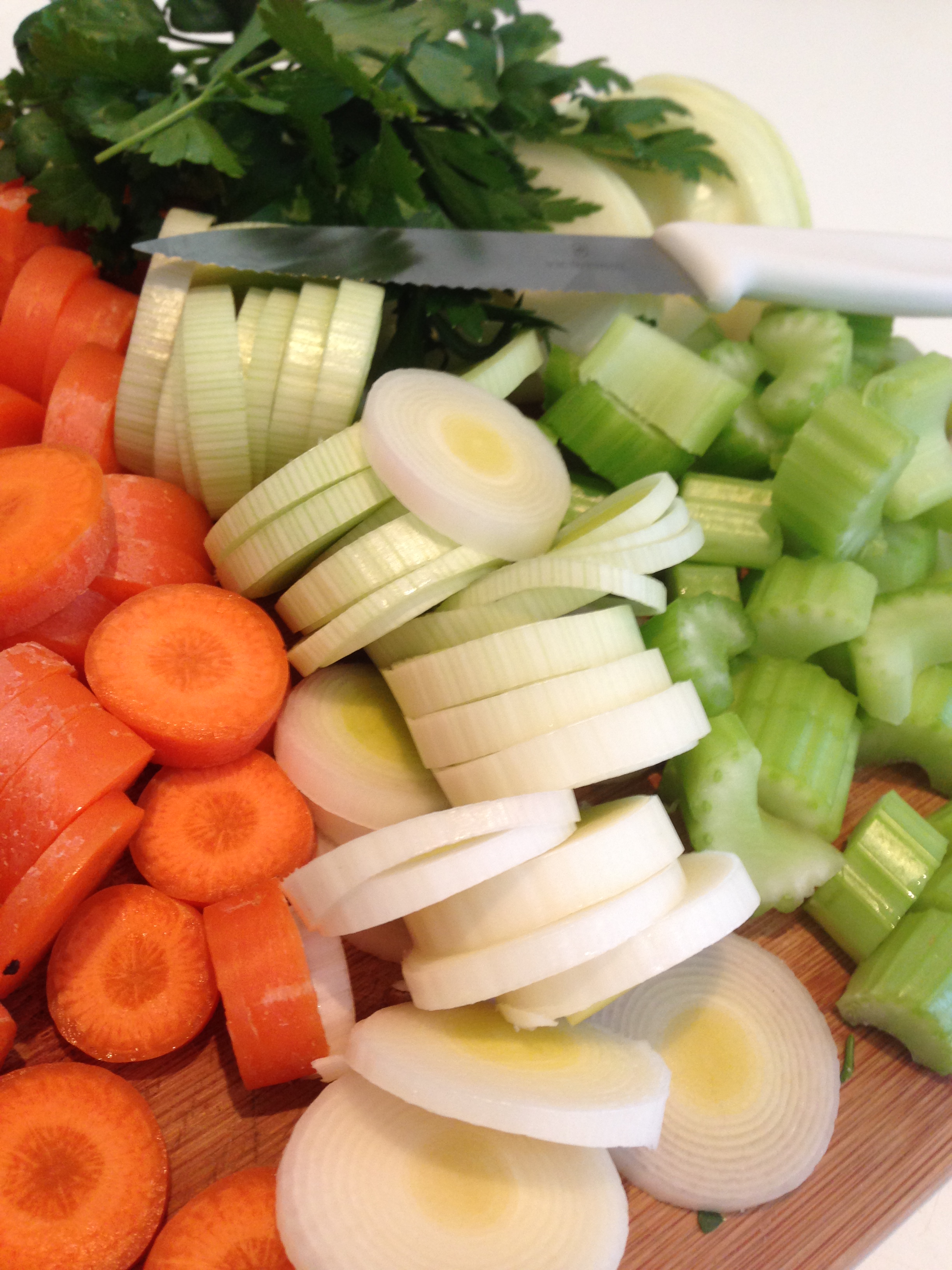
There comes a point where it is time to literally take stock, and when I reach this juncture, this is the soup I turn to. It ticks all boxes: nutritious, economical, substantial, simple, and when a dietary line must be drawn in the sand, it is always the first meal that kicks off the new regime.
One of the fastest ways to churn through dollars and ingest large portions of energy dense food, is to buy lunch. If the decision regarding what to eat is made minutes before consumption, it is heavily influenced by raging hunger hormones and low blood sugar. All rational thought will evaporate when a large roast pork roll with gravy at $10 a pop looms. By the end of the week, $50 has also evaporated, and 500 grams has cleverly attached itself in its place – except not to the wallet but rather the waistline.
The best way I have discovered to sidestep this scenario, it to have a pot of soup on hand. Dished swiftly into a soup mug or bowl in the morning, a quick zap at lunchtime and a nice lunch is available. No purses opened, no lipids stored.
1 tbspn olive oil
1 onion sliced
1 leek sliced
3 sticks celery chopped
2 medium carrots chopped
1 litre chicken stock
salt and pepper
1/2 cup rice
1 can chick peas or butter beans
handful of shredded cooked chicken
parsley
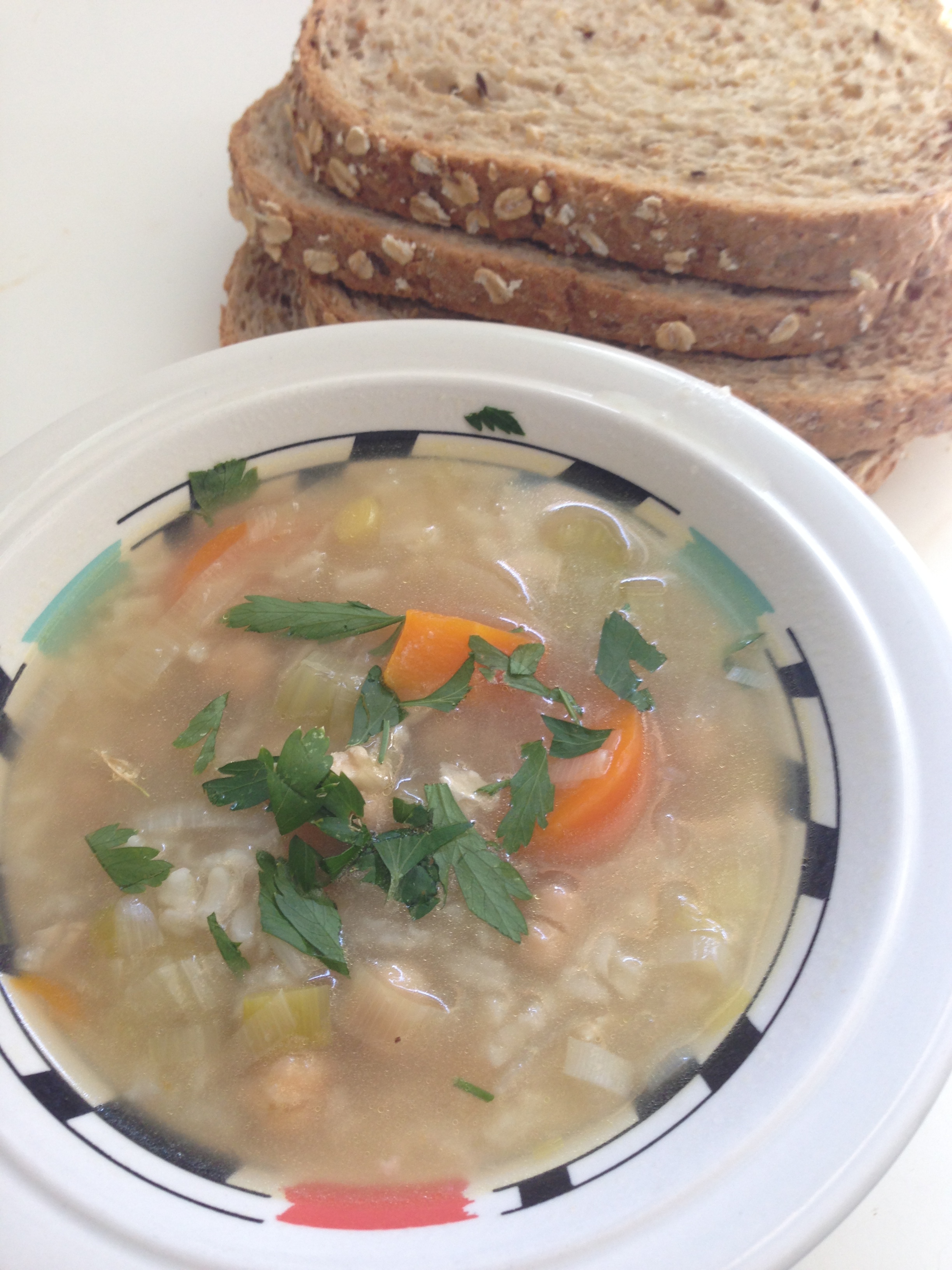
Postscript: This is the kind of soup that can be added to or subtracted from. Check your refrigerator or your preferences and make the necessary changes.
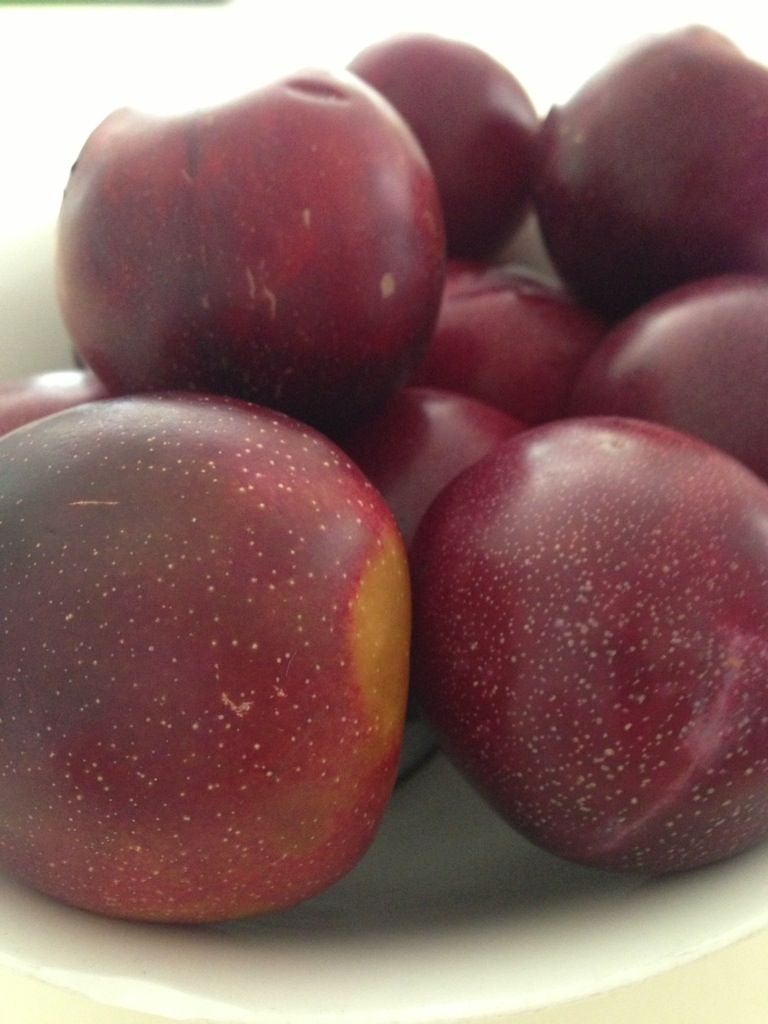 For keen preservers, the produce section at the supermarket or the local fruit shop is a veritable candy store over the summer months. After the monotonous display of apples, pears and bananas over the chilly months, it is easy to be dazzled by the array of mangoes, peaches, nectarines and apricots on offer. Plums arrive a little later and often so briefly, that if excess time is spent admiring and pondering, the window of preserving opportunity slams shut, and another year must pass before these beauties arrive again.
So my friends, do not be caught out. Gather your old jars, select a choice kilogram of nicely ripened plums (any variety) and after an hour or so pottering in the kitchen you will have about five lovely jars of plum jam.
1 kg plums
1 kg jam setting sugar
Remove stones from plums and chop finely or process in the food processor. In a large pan add chopped plums and sugar, and cook over a low heat until the sugar is dissolved. Increase heat and boil rapidly for 4 minutes. Remove from heat and test a small amount of jam on a saucer that has been chilled in the freezer. The surface should wrinkle when pushed. Pour hot jam into hot sterilised jars and seal immediately. Leave to cool and then wipe away any stickiness on jars with a damp cloth. Add your labels.
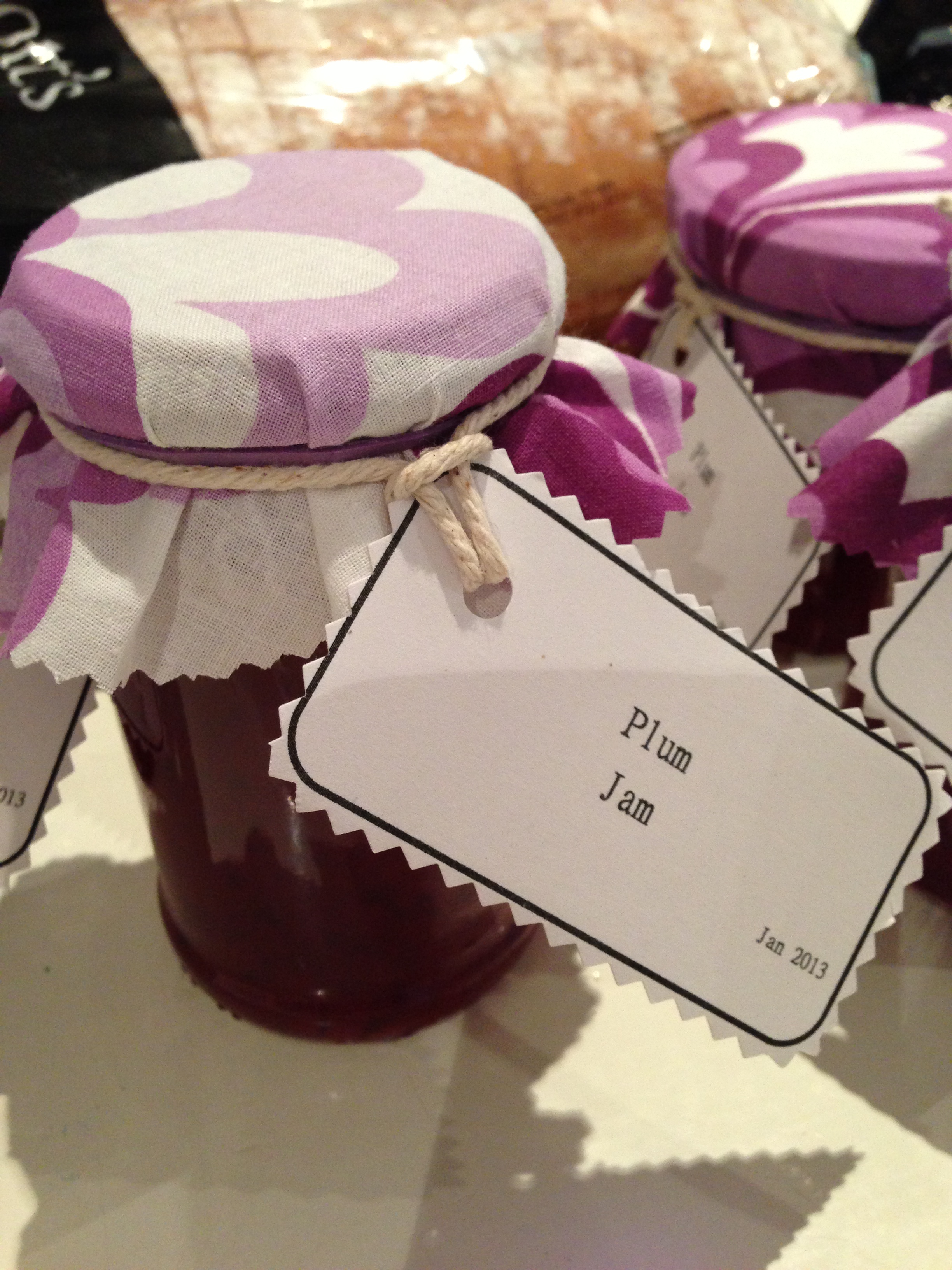 Postscript: Purchasing a kilogram of fresh plums is a win – win situation. You are either going to end up with a well stocked pantry shelf, or if time gets away and good intentions are lost, a lovely fresh feast.
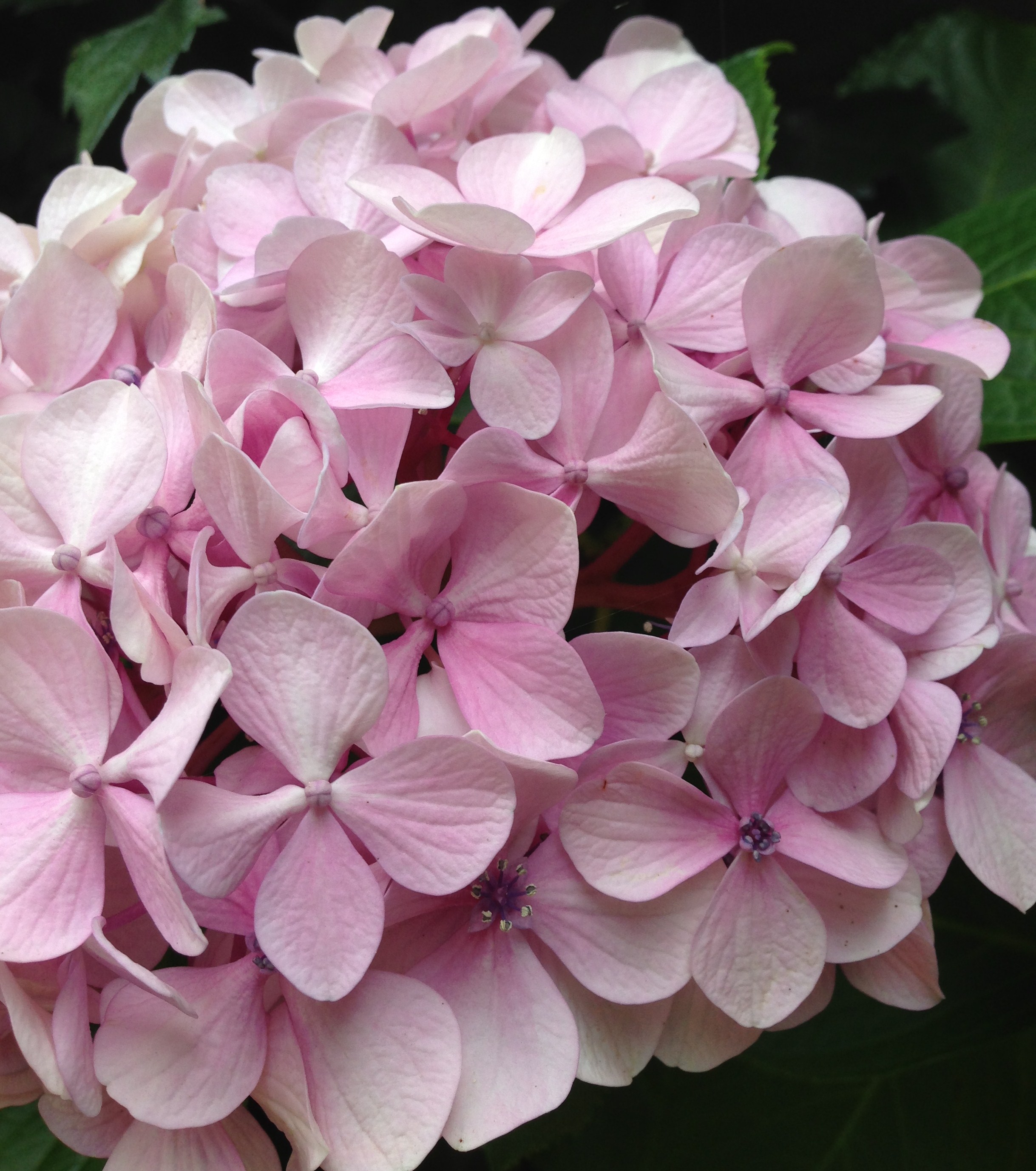
We know Summer is in her prime when large frilly heads, collectives of miniature florets, billow about. With deep green glossy foliage giving us welcome visual relief during searing spells, it is no wonder we have such a fondness for these grand old dames of the floral realm – the hydrangea.
 When the temperature climbs, I liken a generous vase of hydrangeas placed in the kitchen to putting on a cotton summer dress. Suddenly everything is lighter, fresher and cooler and all is as it should be to manage a summer’s day. Shedding minimal debris and with incredible staying power, they excel as cut flowers. Even as they slowly dry, hydrangeas take on a charming antique appearance – another dimension of their beauty.
Mass plantings under the eves of weatherboard homes, is a strong visual memory from a suburban Melbournian childhood that I hold dear. To generate your own mass plantings without having to invest a fortune, take cuttings from your (or a kind aunt’s) shrub. They strike in a pot of moist soil very quickly in a shaded spot, and if nurtured over winter, your wall of hydrangeas will be ready to plant out next spring. Providing you keep the water up to them during the heat and they dwell in semi-shade, these are not a difficult species to cultivate – and your vases will be filled for summer.
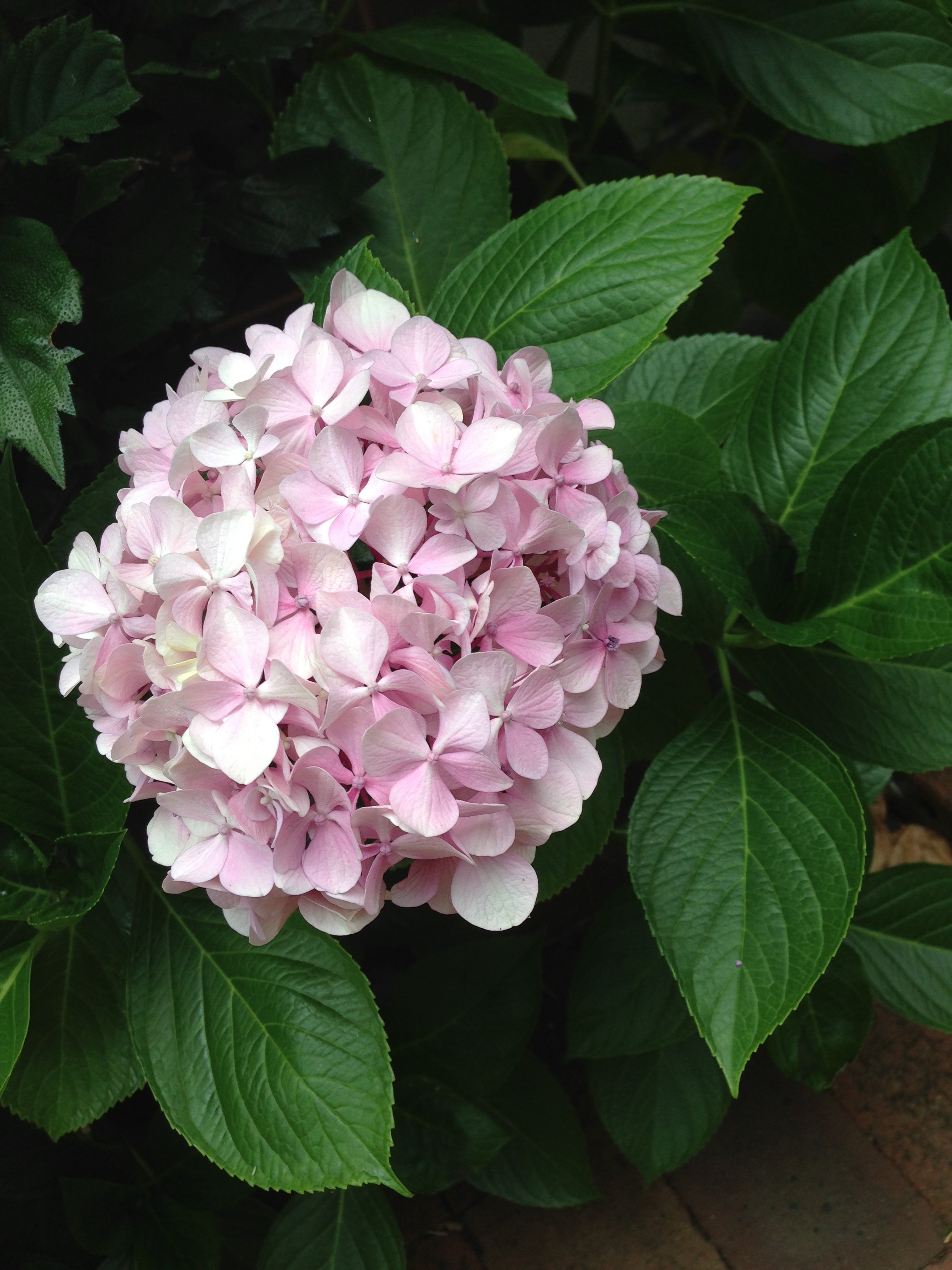 Postscript: rumour has it, that beautiful chocolate replica leaves for cake garnishes can be had by smearing the fresh leaves with melted chocolate, leaving to set and then peeling away…hmmm

There will be a break in proceedings whilst some holiday camping takes place.
There has been plenty of opportunity to consider 2013 posts. Look forward to sharing them with you.

If the people of India had to rely upon a cool change to indulge in a curry, then they would surely be in a pickle. As our summer temperatures soar, let’s move the salad and barbeque items to one side, take some inspiration from our Indian neighbours to compose some wonderfully hot rich curries, and face the heat squarely.
With Christmas well and truly in the rear view and our salad consumption reaching its peak, thoughts of something rich, spicy and saucy have crossed my mind. For me, this translates to curry. If the prep is done early, when by evening, the heat has taken its toll on even the most enthusiastic of cooks, a delicious meal is waiting.
We all know curry improves over time, so make a large pot and there will be something to turn to in the refrigerator, when inspiration eludes.
1 bunch coriander
olive oil
1kg diced lamb
2 onions, finely diced
1 piece of ginger, finely diced
2 bay leaves
salt and pepper to season
2 tablespns balsamic vinegar
1 400g can chopped tomatoes
1/2 jar Patak’s Rogan Josh curry paste (not the simmer sauce)
1/2 cup red lentils
plain yoghurt and papadums to serve
Chop the coriander including the stalks, finely (remove a few branches for garnish and put to the side). Heat the oil over medium heat in a large pan. Add onions, ginger, coriander and bay leaves and cook until onions have softened. Add the lamb and cook further until the meat is browned. Season with salt and pepper. Add the balsamic and cook down for a few minutes. Tip in the tomatoes and curry paste. Mix in the lentils and bring to the boil. Reduce to a simmer and cook covered for about 1 hour. Check regularly that curry is not sticking and add water if necessary. Serve with fluffy rice, a splodge of yoghurt and some crispy papadums. Garnish with reserved coriander.

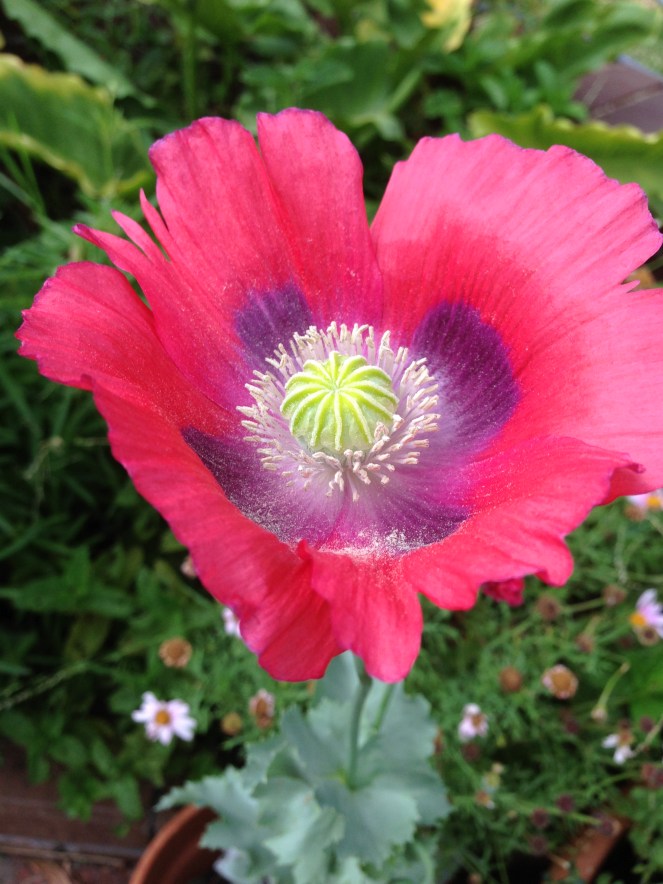
For reasons unknown to me, I have always had an affinity to the wayward. A being with its own mind who surges forth without heed has never failed to capture my imagination. Fickle natured cats, colourful friends and the odd eccentric uncle are dotted fondly throughout my history. So therefore, it should not come as a surprise, that in the floral arena, a poppy will win me over faster than any long-stemmed dozen possibly could.
As far as my experience is concerned, poppies are a law unto themselves. Try cultivating them into obedient rows similar to zinnias or marigolds and you’re bound for frustration. Poppies emerge from where poppies choose. As evidenced above, this rogue poppy produced itself unannounced from a flowerpot that had been designated for another species. Not particularly fussed by this, the poppy is flourishing happily with a lamb’s ear. Like anyone who has sat in a contorted position for a lengthy period in order to accommodate a sleeping feline, so the lamb’s ear will need to withstand its sardine-like confine until the poppy finishes flowering.
If I cast my mind back over previous seasons, the most glorious poppies that have ever existed in my garden were not the ones whose seeds were carefully laid on the soil and devotedly watered, but those whose seeds were captured by the breeze and laid unattended until sprouting time was deemed appropriate. Poppy life experience has taught me to shake their desiccated heads randomly across the garden beds, and to be enchanted when, without notice, a poppy appears. You can sprout the seeds in small pots or trays and transplant, but the mortality rate is often high. Those that survive though, will give you the most spectacular display and boost your horticultural ego to dazzling heights.
Tall poppies are just that. They rise high above their herbaceous neighbours and steal the limelight – because they are successful and glorious. It is pointless though to cut them down, as their vase life is very limited. Like the human variety, they should be left in their own environment to shine.
As a gardener, if I can persuade you to do nothing else – grow poppies.
Postscript: these red poppies are now pods, beautiful heads full of maturing seeds. If you would like to share in the progeny, leave a comment and I will send you some at seed harvest time.

Tickling ice and sliced fruit bobbing about in a tall pitcher – how cooling and refreshing the thought of an iced tea can be. Unfortunately when succumbing to a commercial variety the reality is often another overly sweetened soft drink. Thankfully, the varietal expanse of tea available allows us to tailor our own blends, minus the hefty sugar hit – and financial outlay.
To pour yourself (and a friend) a chilled glass of iced tea is quite a civilised way to endure a hot summer’s day. No special equipment required, just a large jug, seasonal fruit, ice and of course the tea of your choice. If you have an infuser, fill it, or simply make a large teapot of your favorite brew. Let it steep for a good 10 minutes and then strain into your jug. Whilst your tea is brewing, make a light sugar syrup (1 cup hot water with 2 tbsp sugar dissolved within it). Slice up your fruit – we used apple and pineapple because our tea was lemongrass and ginger – yours can be any combination you desire. How about peaches or nectarines with raspberry leaf tea?
Add the fruit and sugar syrup to taste (take it easy). Once the tea has cooled, fill the jug with ice and stir. Top up a couple of chilled tall glasses with your tea, clink and sip.

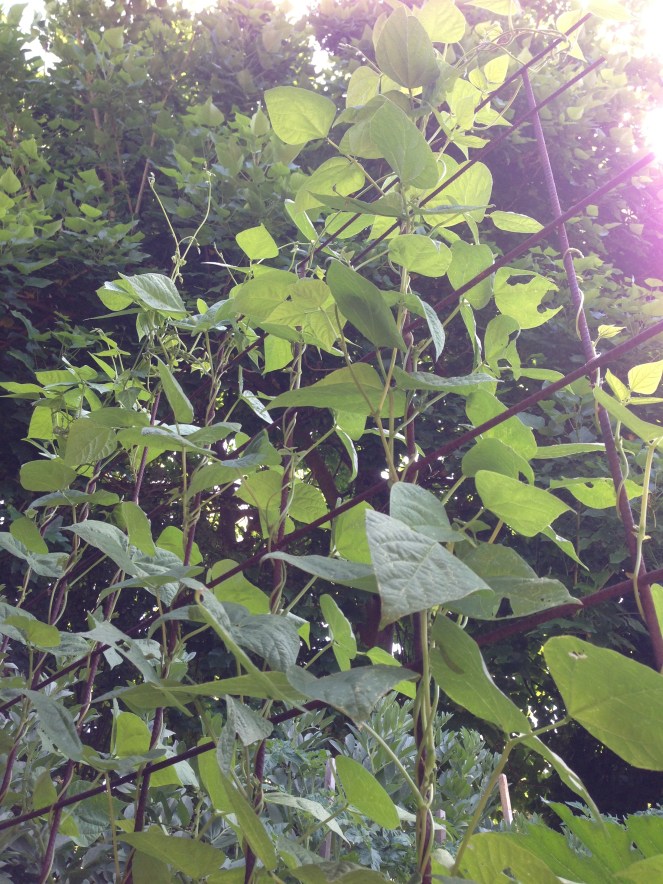
These beans are reaching their potential – how are you doing?
Steadfastly focused on reaching the top of the frame, these climber beans have been progressively wrapping their tendrils from rung to rung, whilst fanning out their leaves to extract as much energy from the sun as they possibly can to fuel the task. This week they finally made it, but the journey has not been without its challenges.
Recent days have served them random temperature spikes, sudden downpours and blustery winds. On those days their desire to let go and sink back onto the earth was strong – but they held their line. It was during these arduous times that their community came to the rescue – the broad beans providing a windbreak, the frame supported their limbs and the zucchini, absorbing the excess rainfall, put a halt to root rot.
Bolstered by the neighborly support, the beans forged on, weaving and winding their way upward. At this point, buoyed with confidence, they believed they were immortal and could climb forever. Until this:

Their dewy, pristine leaves began to dapple – eyelets and peepholes appearing where a ravenous caterpillar’s appetite had paid visit.
The beans did not falter, however. Secure in the knowledge that appearances are not everything – despite external imperfection, a productive life can still be lead.
The beans are flowering now and soon we will reap their fruit.
The coming year will not always be flawless or without hurdle, but during these times remember the beans. Maintain the climb, ignore the tattered bits, reach out to your community and surge to the top of your frame – and beyond.
Happy 2013.


 Plain and Simple