gardening

Poppy

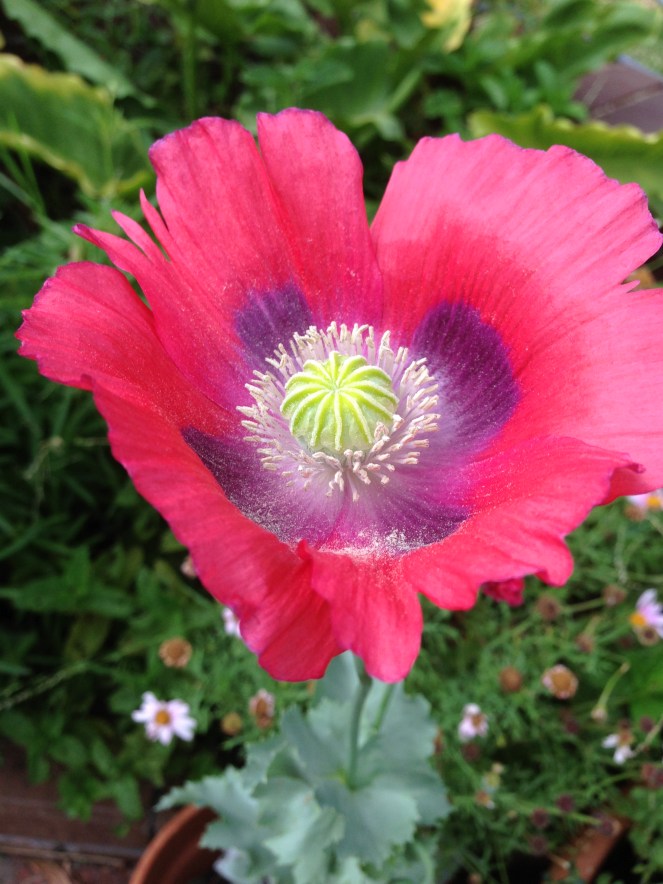
Red poppy

For reasons unknown to me, I have always had an affinity to the wayward. A being with its own mind who surges forth without heed has never failed to capture my imagination. Fickle natured cats, colourful friends and the odd eccentric uncle are dotted fondly throughout my history. So therefore, it should not come as a surprise, that in the floral arena, a poppy will win me over faster than any long-stemmed dozen possibly could.

As far as my experience is concerned, poppies are a law unto themselves. Try cultivating them into obedient rows similar to zinnias or marigolds and you’re bound for frustration. Poppies emerge from where poppies choose. As evidenced above, this rogue poppy produced itself unannounced from a flowerpot that had been designated for another species. Not particularly fussed by this, the poppy is flourishing happily with a lamb’s ear. Like anyone who has sat in a contorted position for a lengthy period in order to accommodate a sleeping feline, so the lamb’s ear will need to withstand its sardine-like confine until the poppy finishes flowering.

If I cast my mind back over previous seasons, the most glorious poppies that have ever existed in my garden were not the ones whose seeds were carefully laid on the soil and devotedly watered, but those whose seeds were captured by the breeze and laid unattended until sprouting time was deemed appropriate. Poppy life experience has taught me to shake their desiccated heads randomly across the garden beds, and to be enchanted when, without notice, a poppy appears. You can sprout the seeds in small pots or trays and transplant, but the mortality rate is often high. Those that survive though, will give you the most spectacular display and boost your horticultural ego to dazzling heights.

Tall poppies are just that. They rise high above their herbaceous neighbours and steal the limelight – because they are successful and glorious. It is pointless though to cut them down, as their vase life is very limited. Like the human variety, they should be left in their own environment to shine.

As a gardener, if I can persuade you to do nothing else – grow poppies.

Postscript: these red poppies are now pods, beautiful heads full of maturing seeds. If you would like to share in the progeny, leave a comment and I will send you some at seed harvest time.

gardening · health and wellbeing

Plot

vegetable garden plot

There aren’t many places more grounding than a vegetable plot.

To potter amongst the growth, inspecting leaves for bugs and looking for signs of a budding flower – or better – a spent flower giving life to its fruit, is a most pleasant way of expending time. A quick morning reconnaissance with a cup of coffee in hand, can become an hour in what seems like no time.

A vegetable patch, aside from the obvious benefits of bountiful produce, provides a place of introspection and digestion of all that has taken place in your busy world prior. With only snails and the occasional thrip to hear your thoughts, your mind is given licence to open itself to broader pastures, normally fenced off by the chatter of indoor living. New resolve, clarification and acceptance are often arrived at as a tomato branch is secured to a stake or withered foliage is removed to make way for new. The patch is a place to reassess, formulate and commit to future steps.

Gardening expertise comes not from books, a degree or birthrite but by simply – gardening. The former will certainly put the icing on your earthy cake but the latter: turning over soil, planting and watering provides the knowledge that embeds itself and becomes second nature – over time.

Start small. Mark out  an area to dig and fertilise. Mine is located several steps from the kitchen door, to ensure quick retrieval of herbs in mid-stir or a greater likelihood of a visit when the weather becomes inclement. Choose a few vegetables that appeal and some herbs for instant gratification. No doubt some will flourish, others will die or be feasted upon by invertebrates before you, but inevitably your place of inner sanctum has been established.

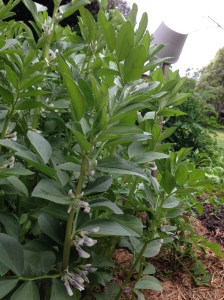
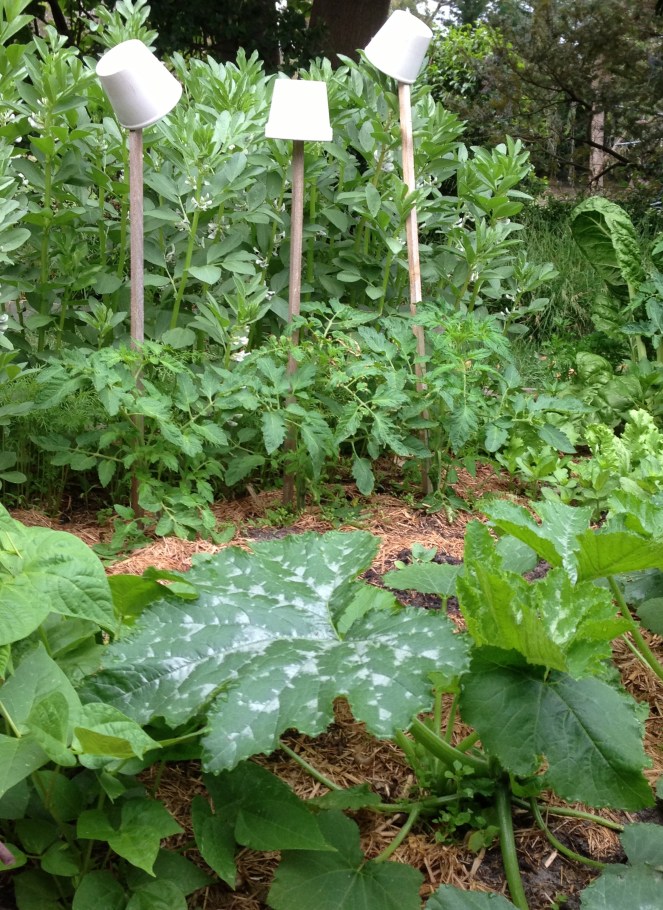
broad beans

Postscript: and your horticultural career has begun.

gardening · recipes

Beet

silverbeet

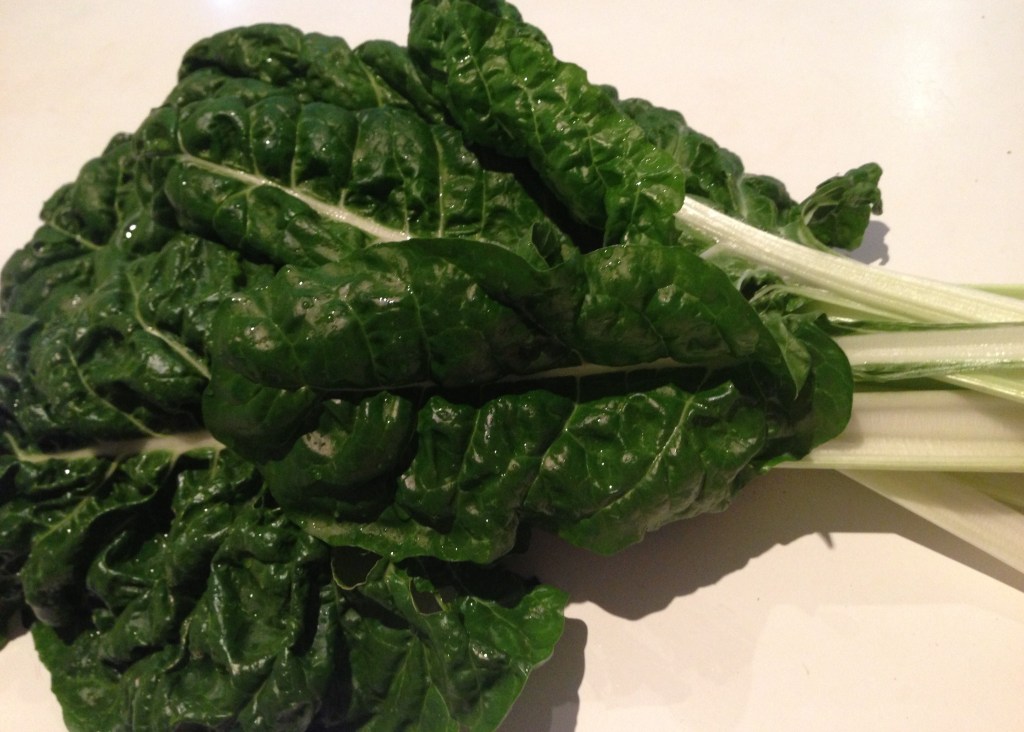
Just the appearance of a bunch of silverbeet radiates clues to its goodness. The squeaky, glossy generous foliage spells out in no uncertain terms, the abundance of goodness it contains. Alive with little packets of chloroplasts, the bunch almost seems to vibrate before your eyes.

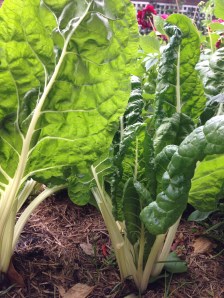
Silverbeet is a pleasure to grow in the vegetable patch. Looking lustrous and leafy, the gardener’s horticultural self-esteem is given a hefty boost. Stalks can be sliced off at will, without the need to remove the entire plant leaving an ugly bald spot behind. New leaves will continue to sprout and according to ‘silverbeet experts’ these are the finest for culinary purposes. I let mine over grow for effect.

silverbeet patch

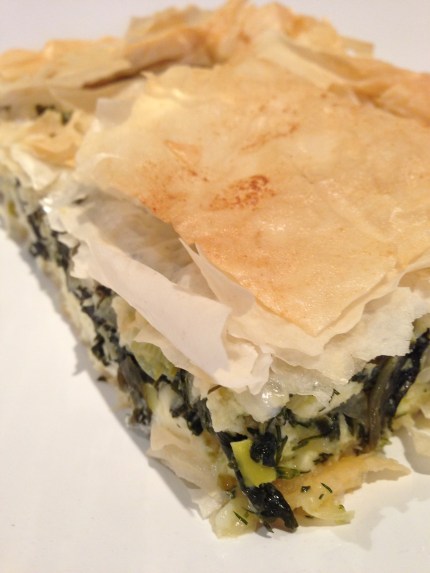
This week, a large bunch was harvested and sent across to a willing neighbour. To my delight, this is what we received in return, still warm.

spanakopita

Spanakopita.

While the crop is plentiful, it’s nice to seek out new ways to incorporate silverbeet into our weekly intake. This year, I happened upon this simple soup, which is light enough for lunch in the warmer weather.

olive oil
1 onion finely chopped
2 cloves garlic, finely chopped
1 thumb sized piece of ginger, peeled and finely chopped
3 rashers of bacon, diced
bunch of silverbeet, stems removed and greenery shredded
1 litre chicken stock
salt and pepper to season

  1. Heat oil in large pot and gently fry off onion, garlic, ginger and bacon until cooked through.
  2. Add silverbeet and cook down for about 5-10 minutes until wilted.
  3. Pour over chicken stock and bring to the boil. Turn heat down and simmer for 10 minutes.
  4. Puree with stick blender.
  5. Season with salt and pepper.

silverbeet soupPostscript: Always happy to learn new ways with these leaves. If you have tips, please share!

gardening · recipes

Leaves

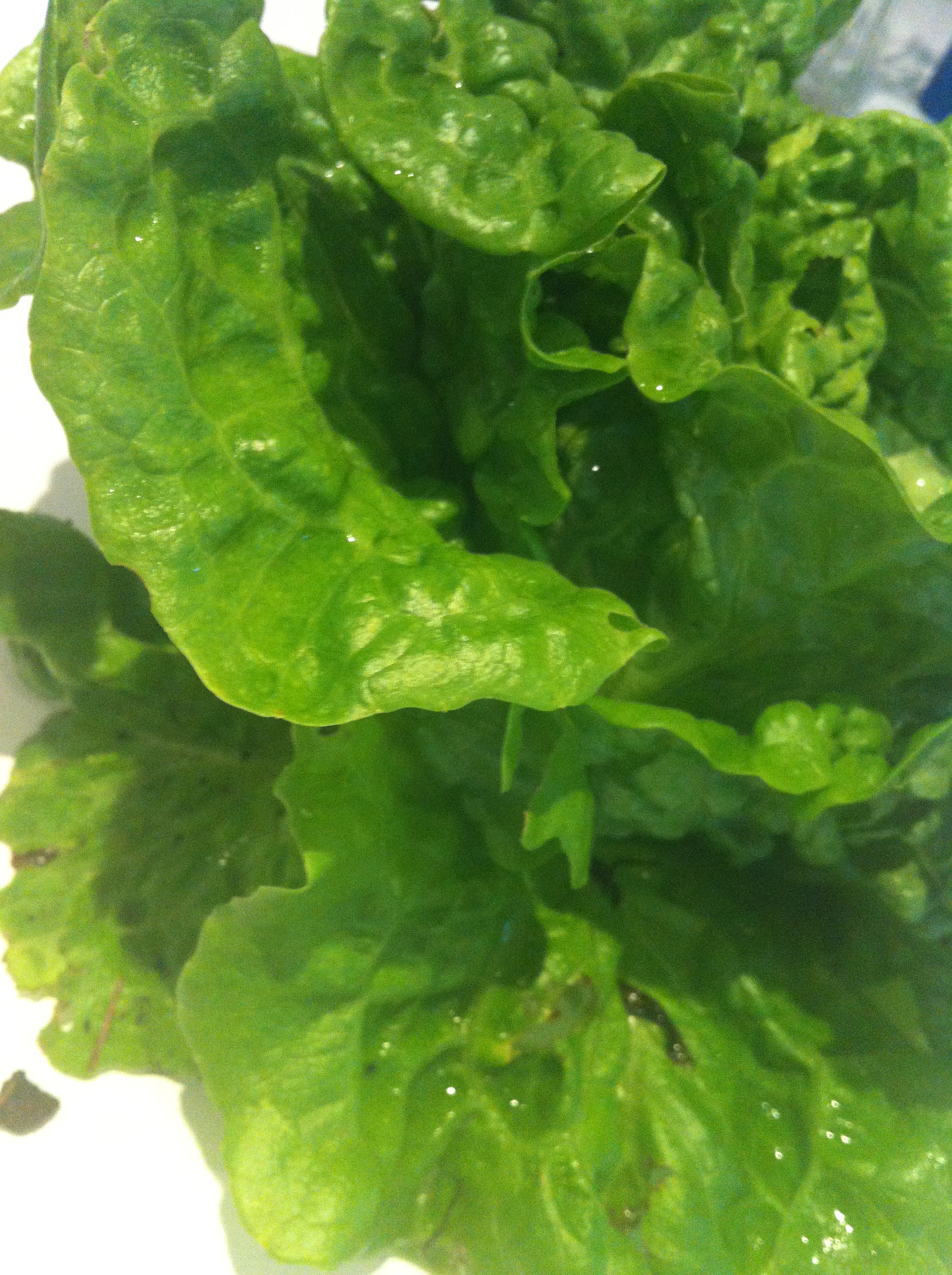
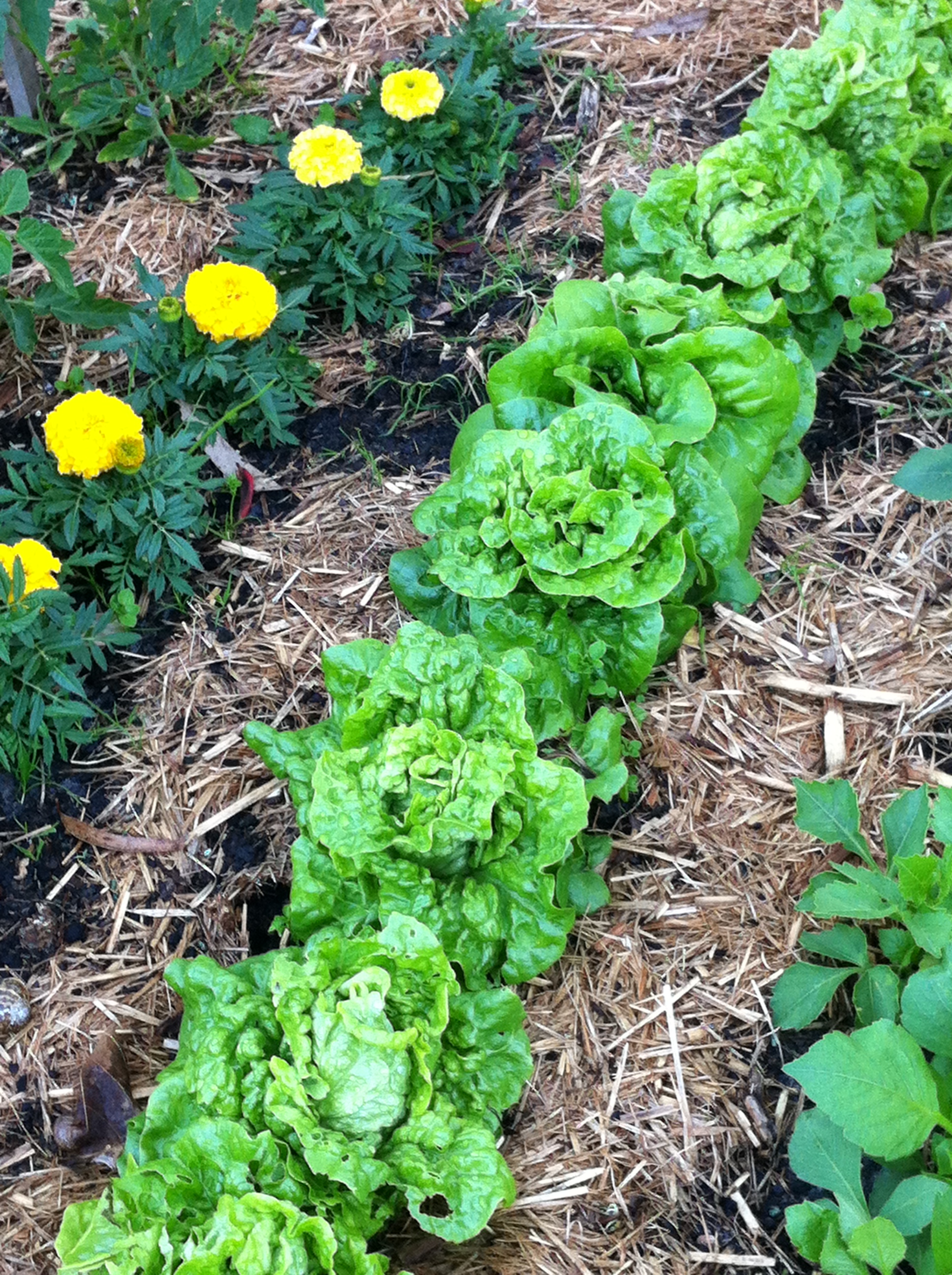
If you consider yourself an entry-level gardener, then you simply cannot go wrong by kick-starting your vegetable plot with a row of verdant lettuce.

When tomatoes are barely flowering and beans are just beginning to wrap their tendrils around the rungs of their frame, at least that lovely row of lettuce seedlings that were planted at the very same time (all those weeks ago) have produced a satisfying harvest. This is my gardening impatience coming to the fore, when after daily watering and nurturing, there does not seem to be proportional output from the plot. If a lettuce can be brought to the table in the early phase of the season, that is sufficient to stave off any disquiet and fuel expectancy for the next plants to yield.

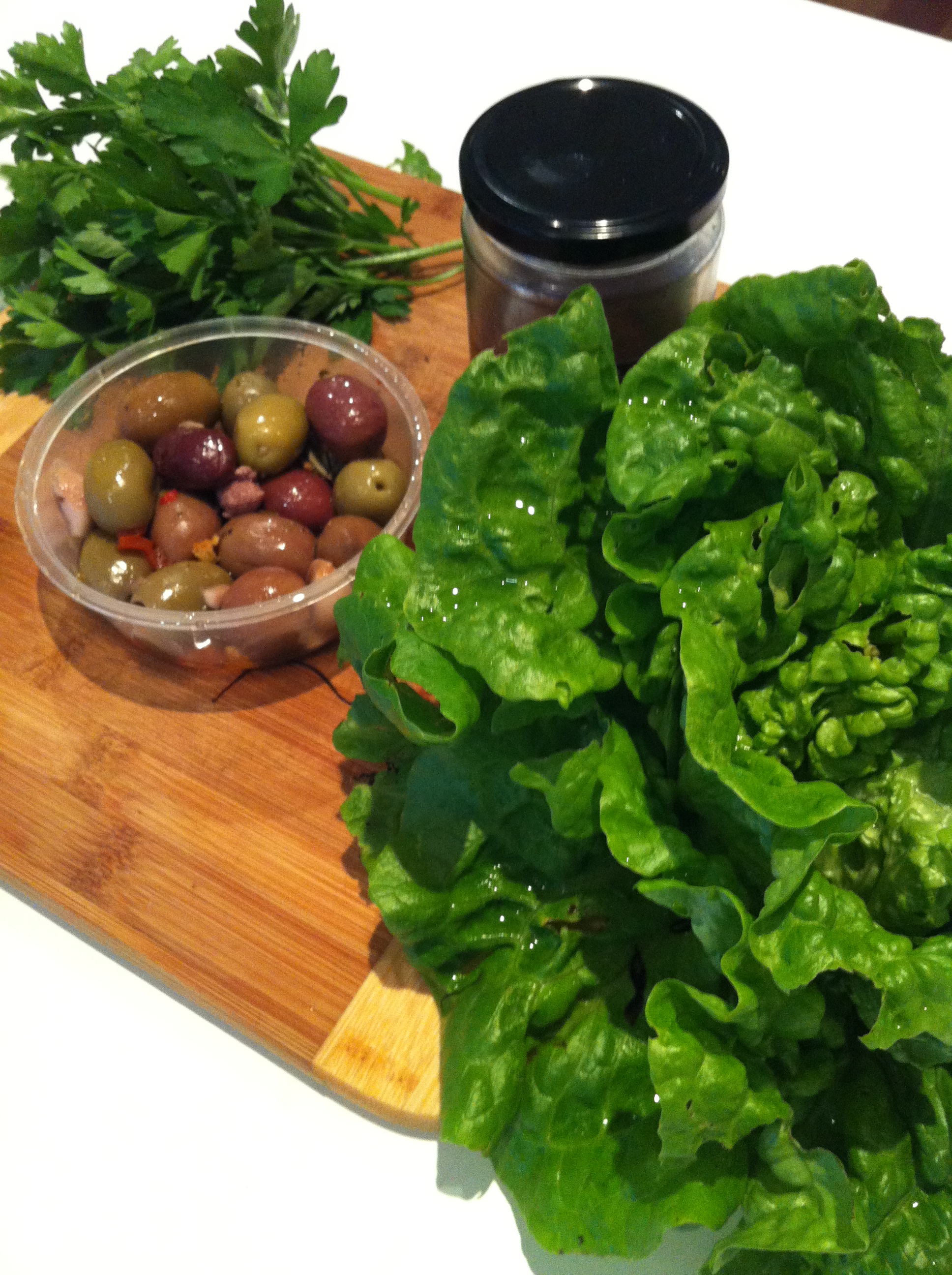
Given plenty of water, sunlight and some fertile earth, lettuce, no matter what the variety, is a sure-fire way to build a budding gardener’s confidence. For those who simply cannot wait for their crop to reach maturity, there can be sneaky snips of external leaves, to be brought inside for last-minute salads or into the lunchtime rolls. This actually encourages growth.

To keep a ready supply of lettuce, when the first row have reached adolescence, start off a second row of babies. By the time the adolescents are adult cropping size, your third row of babies can go in. This way, you will have lettuce for your brood and that of every neighbour in your street. Passing surplus vegetables onto friends and neighbours is every bit as rewarding as harvesting for yourself.

In a perfect world, everything on our plate would be grown in our backyard, but that world isn’t quite the one we inhabit right now. However, if you can sit down to a meal with at least one constituent, whose only footprint was rendered from your muddy gumboot, then that is coming close enough in my book.

Postscript: Our mignonettes have all been consumed now, and we are about to start on some crispy icebergs. Had thoughts of a caesar salad the other day, so Cos might have to be next.

gardening · homemaking

Bloom

The Spring Racing Carnival is on our doorstep, and how do I know this? Why, I have just clipped my first bunch of roses for the season of course.

Not to be confused with the splendor of the Flemington Race Track, our roses are looking pretty good this year, and I believe it may be due more to favorable weather conditions combined with neglect rather than any horticultural prowess on my part. I will take credit, however, for the arrangement.

What a strange dichotomy the rose-bush is – the bulk of the year spent as a spiky, jutting, nondescript cane and then almost overnight, metamorphosing into a lavish leaved bush filled with unfurling colorful jewels. Their appearance is so sudden and display so elegant, that even the routine journey to the office is punctuated with pleasant garden glimpses.

Roses have the ability to laugh in the face of colour scheme edicts. Pile their clashing colours into a vase and you are immediately rewarded with an object of beauty, that becomes the focal point of the room and the elevator of spirits to all who enter.

These are tea roses and to me, bestow far greater beauty and fragrance (and economy) than the hothouse variety. This season, bring a bunch of your blooms indoors and try not to smile as you walk past your posy.