gardening · health and wellbeing

Plot

vegetable garden plot

There aren’t many places more grounding than a vegetable plot.

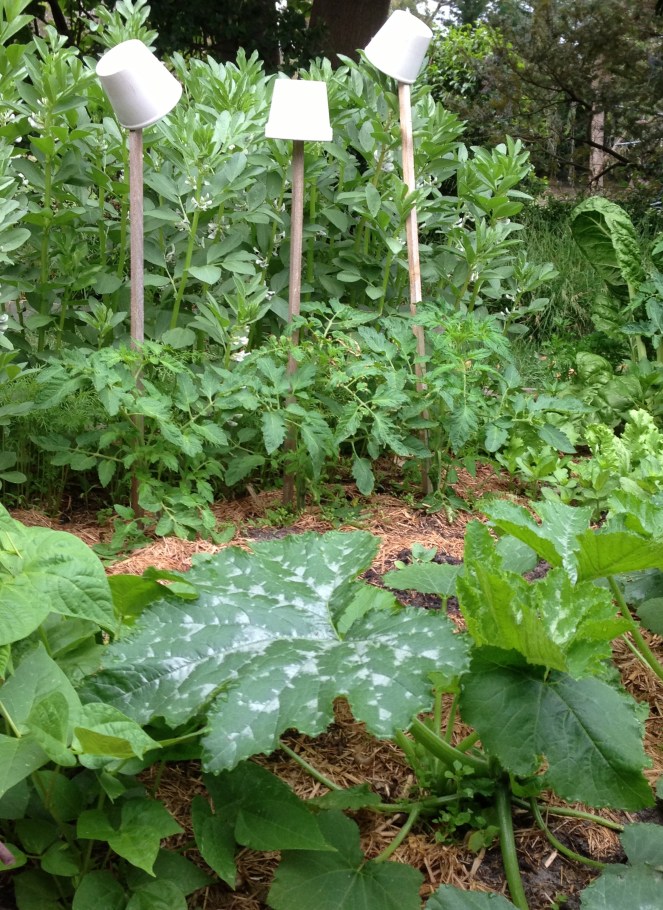
To potter amongst the growth, inspecting leaves for bugs and looking for signs of a budding flower – or better – a spent flower giving life to its fruit, is a most pleasant way of expending time. A quick morning reconnaissance with a cup of coffee in hand, can become an hour in what seems like no time.

A vegetable patch, aside from the obvious benefits of bountiful produce, provides a place of introspection and digestion of all that has taken place in your busy world prior. With only snails and the occasional thrip to hear your thoughts, your mind is given licence to open itself to broader pastures, normally fenced off by the chatter of indoor living. New resolve, clarification and acceptance are often arrived at as a tomato branch is secured to a stake or withered foliage is removed to make way for new. The patch is a place to reassess, formulate and commit to future steps.

Gardening expertise comes not from books, a degree or birthrite but by simply – gardening. The former will certainly put the icing on your earthy cake but the latter: turning over soil, planting and watering provides the knowledge that embeds itself and becomes second nature – over time.

Start small. Mark out  an area to dig and fertilise. Mine is located several steps from the kitchen door, to ensure quick retrieval of herbs in mid-stir or a greater likelihood of a visit when the weather becomes inclement. Choose a few vegetables that appeal and some herbs for instant gratification. No doubt some will flourish, others will die or be feasted upon by invertebrates before you, but inevitably your place of inner sanctum has been established.
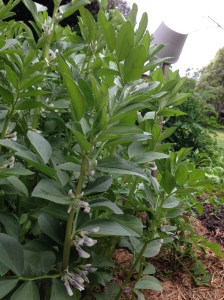
broad beans

Postscript: and your horticultural career has begun.

health and wellbeing

Stargazing

Let’s face it. There are times in life when, after mentally turning over all alternatives with no resolution in sight, the only option remaining is to resort to celestial guidance.

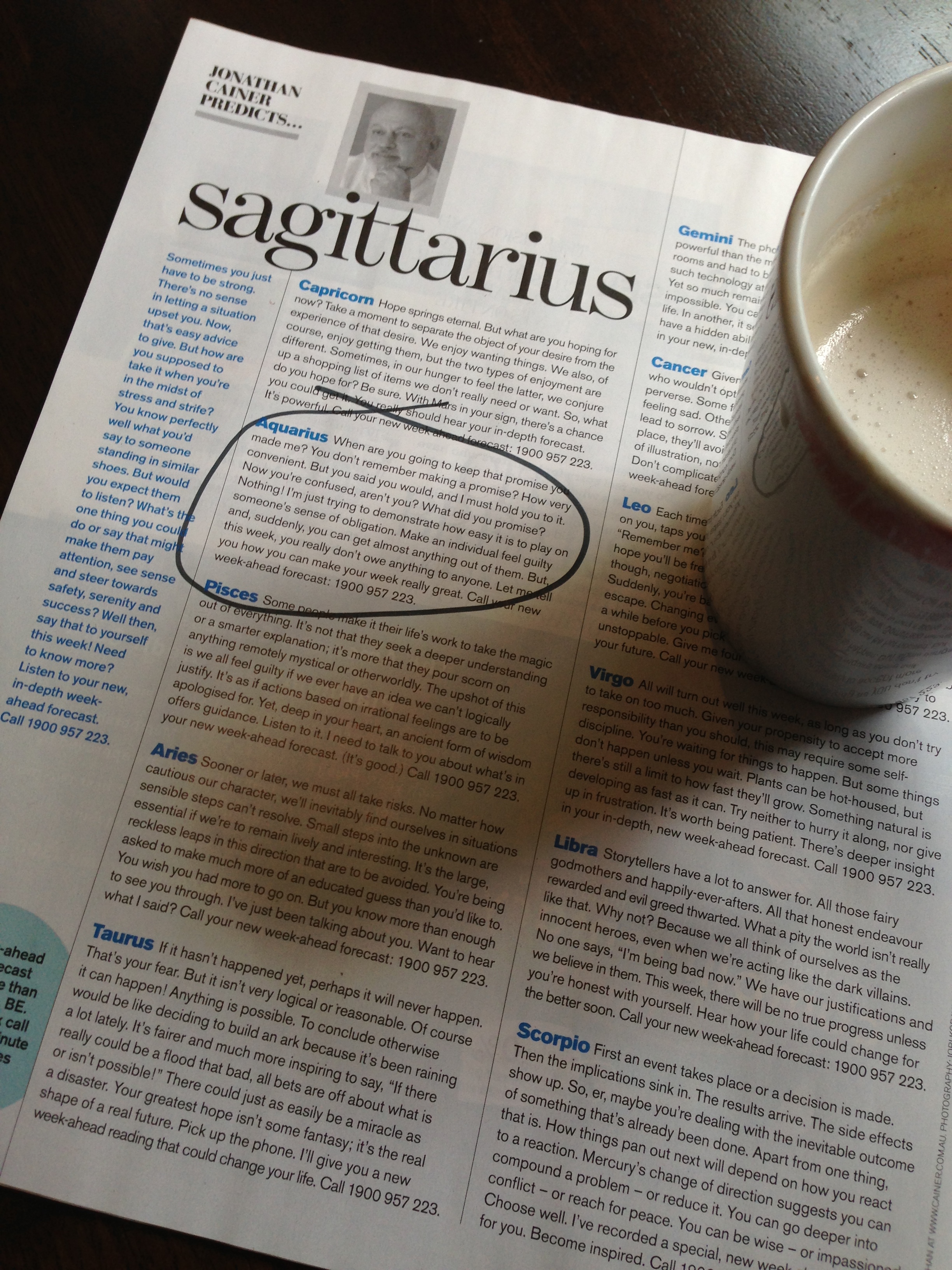
For someone who is the first to scoff at anything remotely esoteric, it is uncanny how often I catch myself lingering over the astrological page of my Sunday magazine. Should I favor the prediction, it is thoughtfully tucked away to be referred to at some point of the day or week when a connection can be made. If however, the forecast is grim or not the general essence of my expectation, astrology is conveniently dismissed as hocus pocus. I’m not the most loyal of disciples.

Far too often we doubt our own ability to ‘choose the right path’, when in fact, we have the map inside us all the while. This map does not appear as a series of topographical lines but instead a roll call of values – pertinent only to ourselves. This well-worn, crinkly chart that we unfold and examine when a decision or a choice must be made, is the one that is responsible for all of the outcomes of which we are proud – or that settle with quiet satisfaction within us upon reflection.

Electing to use this chart when you are standing at a perilous cross-road can seem like a gamble and it is only from a vantage point of time past that the invaluable guidance it has provided is realised.

Sometimes a glance at the stars however, can contribute to an equally important element of our lives – fun.

Postscript: I do like to indulge Jonathan Cainer, as he usually spouts a bit of wisdom. Here is my reading for today:

  ‘If you want an improved relationship with someone, try to see the world from their point of view. Get them to talk and show that you are listening, so that you can encourage them to trust you. If they say something that you don’t like the sound of, hide your reaction; don’t leave them feeling as if there are things they dare not say. And, if you in turn, want to be better understood? That is not so easy. There is really nothing you can do, other than offer so much genuine empathy that they feel inspired to return the favour.’

Ok folks, I’m ready to hear what you have to say – fire away!

family · health and wellbeing

Focus

It’s easy, with all of the distractions that life deals us, to lose sight of those things we know to be important. It’s not impossible though, to shrug off these diversions and regain focus.

It can be at the most inopportune moments that inspiration will strike suddenly you are charged with enthusiasm to embark on a project. Often, life’s circumstances prevent this ie you are at the office and the urge to paint the spare room duck egg blue must be quelled. Towards the end of the week, this brilliance of thought is misplaced amongst supermarkets, washing machines, petrol stations and lawns. Possibly lost forever.

If this is a dilemma you share, then notes really are the answer. I use the Notes app on my iphone and jot in gems as they surface. If your computer supports Windows 7 use Sticky Notes or simply add notes to Notepad and save your file to your Desktop for quick retrieval. Otherwise, have a small notebook in your handbag or pocket – all fulfil the same role, to capture your ingenuity to be acted on at a more convenient time.

If this seems like old news, try it and experience the enjoyment of reacquainting yourself with long-lost friends when you open your notes at the close of the day or the end of the week.

And it’s not only moments of creative brilliance that you need to record, but maybe a list of things you place value upon. In the ballyhoo of the day, sometimes it’s nice to swipe the screen and focus on what it’s really all about.

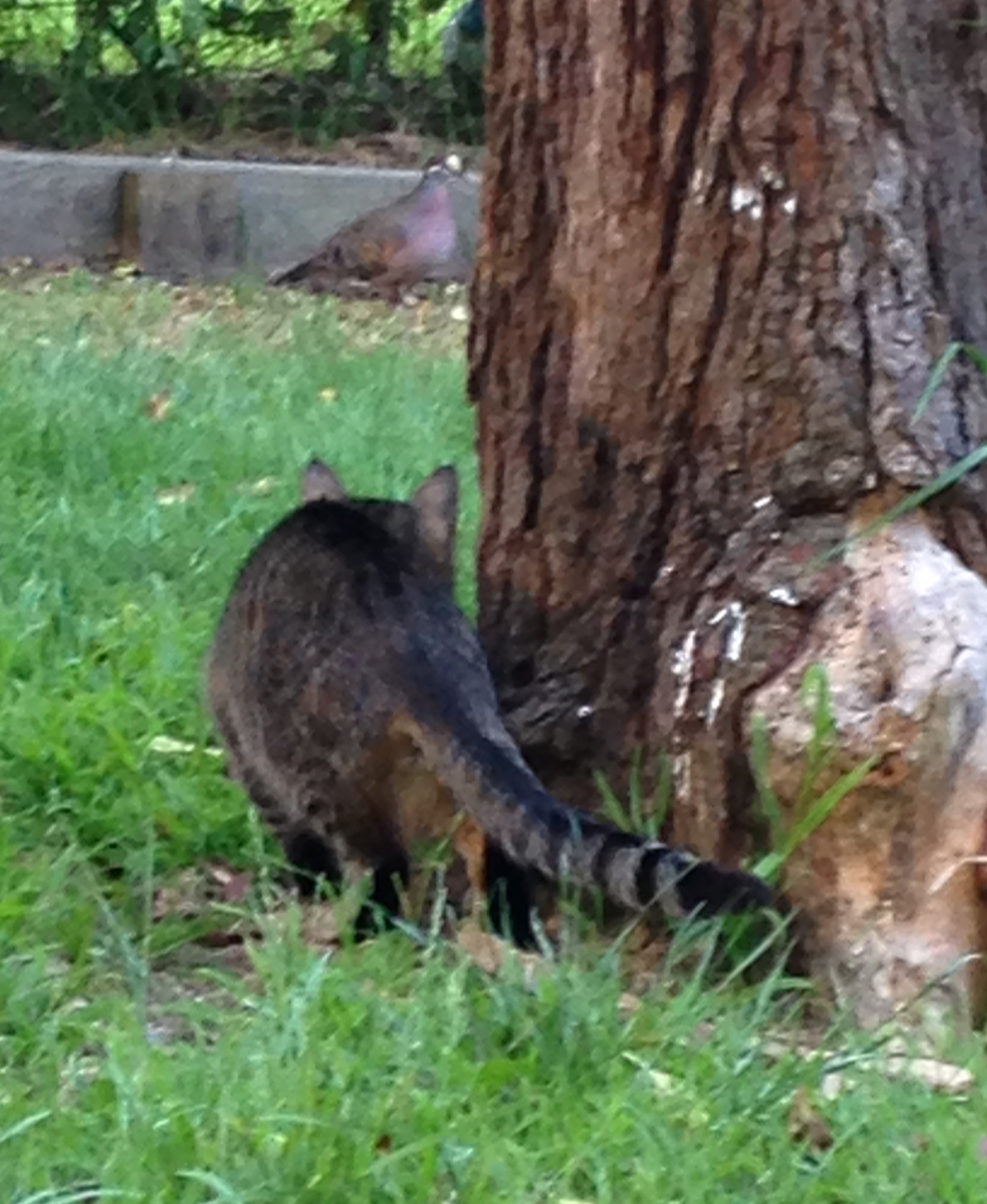
Postscript: for those wondering, the pigeon lives on – with thanks to distraction of the human kind.

health and wellbeing · recipes

Crunch

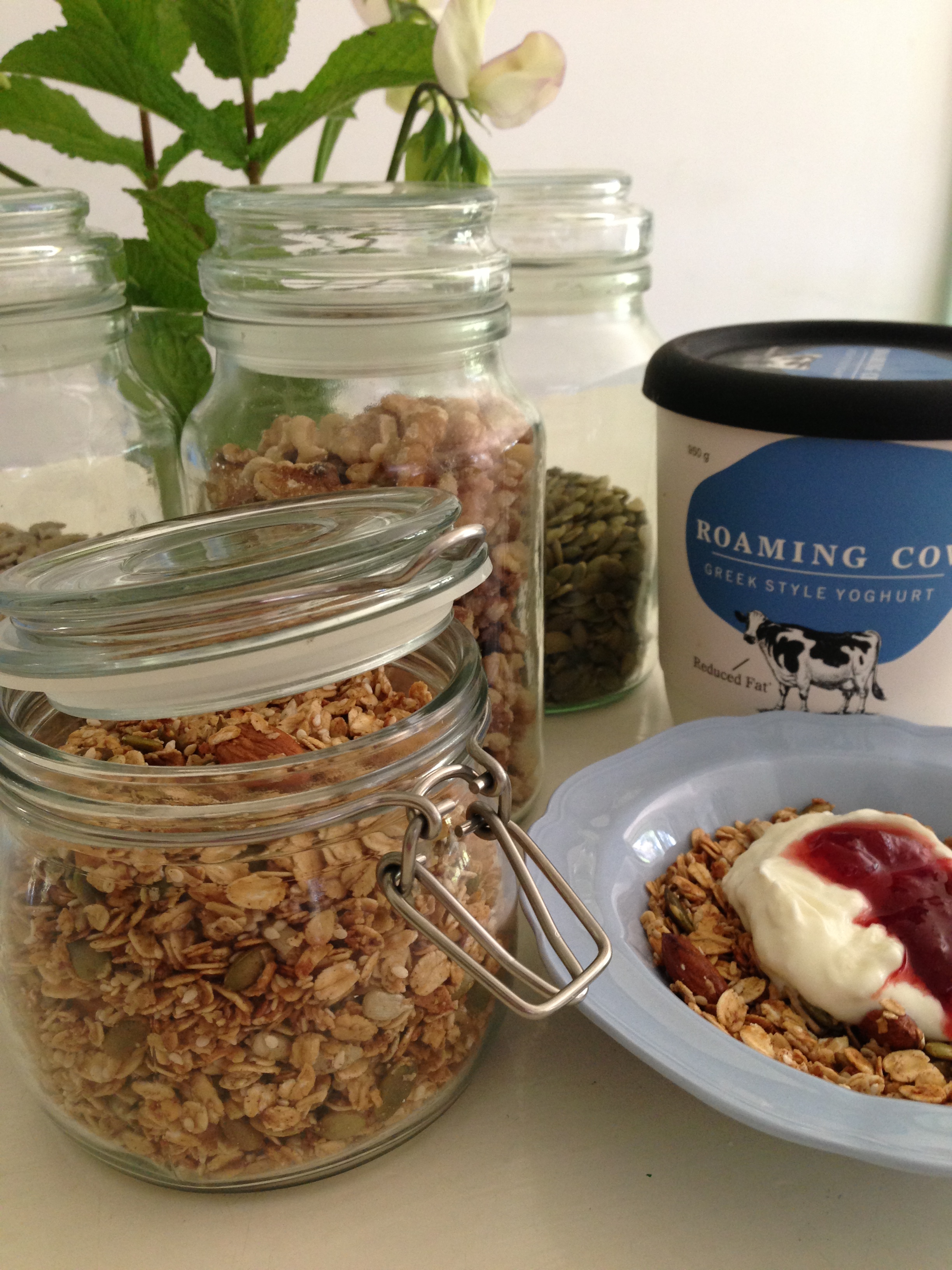
To have a jar filled with toasted grains, nuts and seeds sitting on the countertop, to be scooped from when a nutritious snack is in order, is a wonderful thing.

As our chilly grey mornings have now turned to sunny ones, I’m ready to rest the tight-knit oats and opt for a more scattered breakfast – in the form of granola. Such a simple breakfast it is, with everything seedy and nutty premixed, that all that’s left to do is add the skim milk and you’re away.

The granola in our kitchen really earns its keep, as not only does it provide a breakfast staple, but is regularly topped with yoghurt and a splodge of jam to keep body and soul together between meals. Occasionally it has even been known to be the ‘crumble’ on top of hot stewed apples and passionfruit.

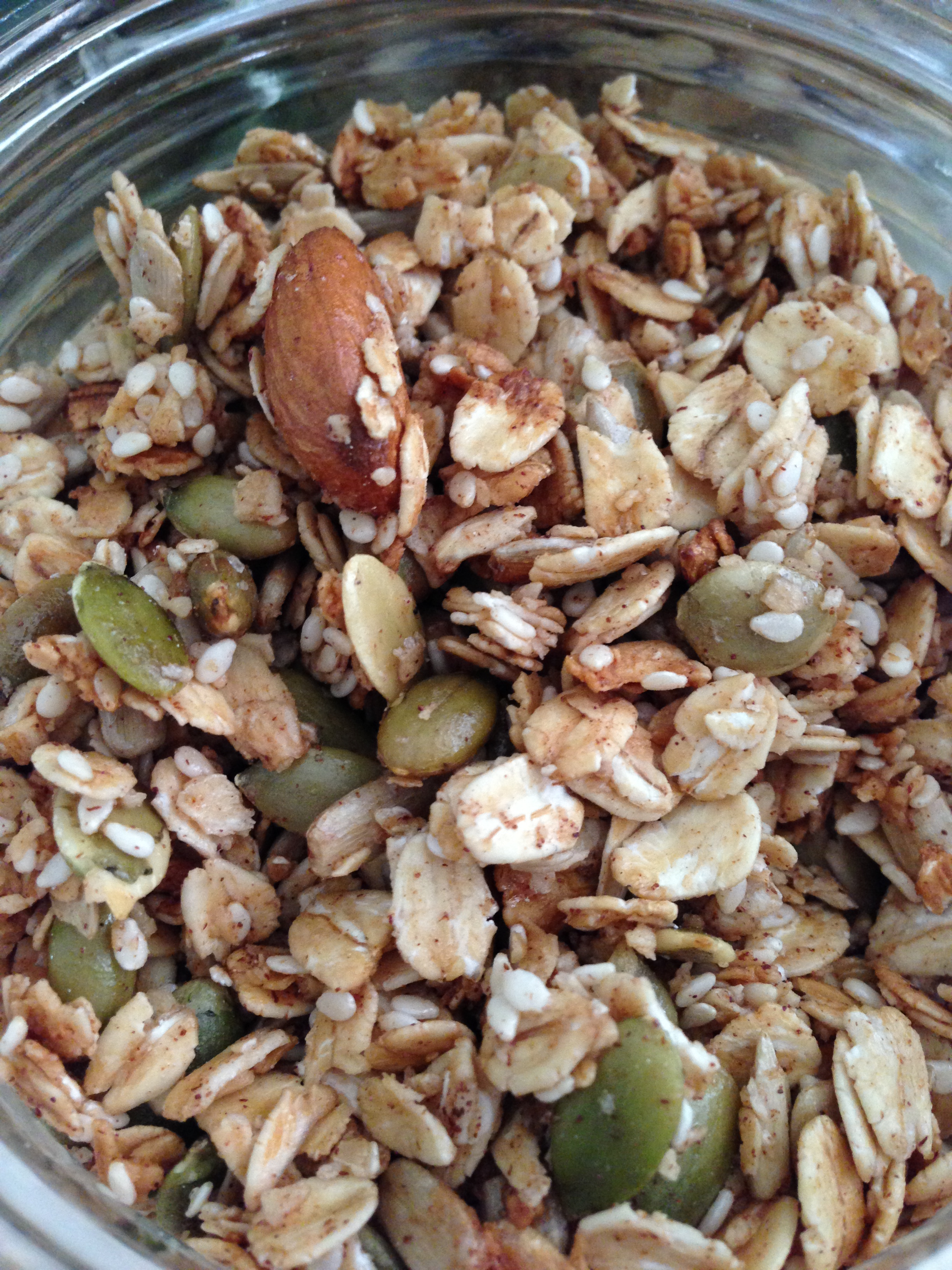
Granola really is a mix of grains, seeds, nuts, spices, dried fruit and a sweetener, and how you put yours together will entirely depend on the sorts of ingredients that meet your approval. Here are mine, feel free to add and subtract as you will (and should you come up with a winner – keep me updated).

6 cups oats
1 cup almonds
1 cup pepitas
1/2 cup sunflower seeds
1/2 cup sesame seeds
2 tsp cinnamon
1/4 tsp salt
1/2 cup maple syrup or honey or rice syrup (depending on the flavor you prefer)

Pre heat the oven to 325 degrees celsius.

Toast sesame seeds gently in a frying pan and cool. Combine oats, nuts and seeds in a large bowl. Mix well. Add the cinnamon and salt and mix through. Warm the syrup or honey in a saucepan so it comes to a pouring consistency and add it to the mix. Turn the granola over thoroughly so that it is all well coated with the sweetener.

Spread the granola over a very large (or two) baking sheets lined with baking paper and place in the oven. Bake for 30 mins, regularly opening the oven and turning the mix so it browns evenly. When it is browned to your liking, remove from the oven and cool before storing in a sealed jar.

family · health and wellbeing

Punting

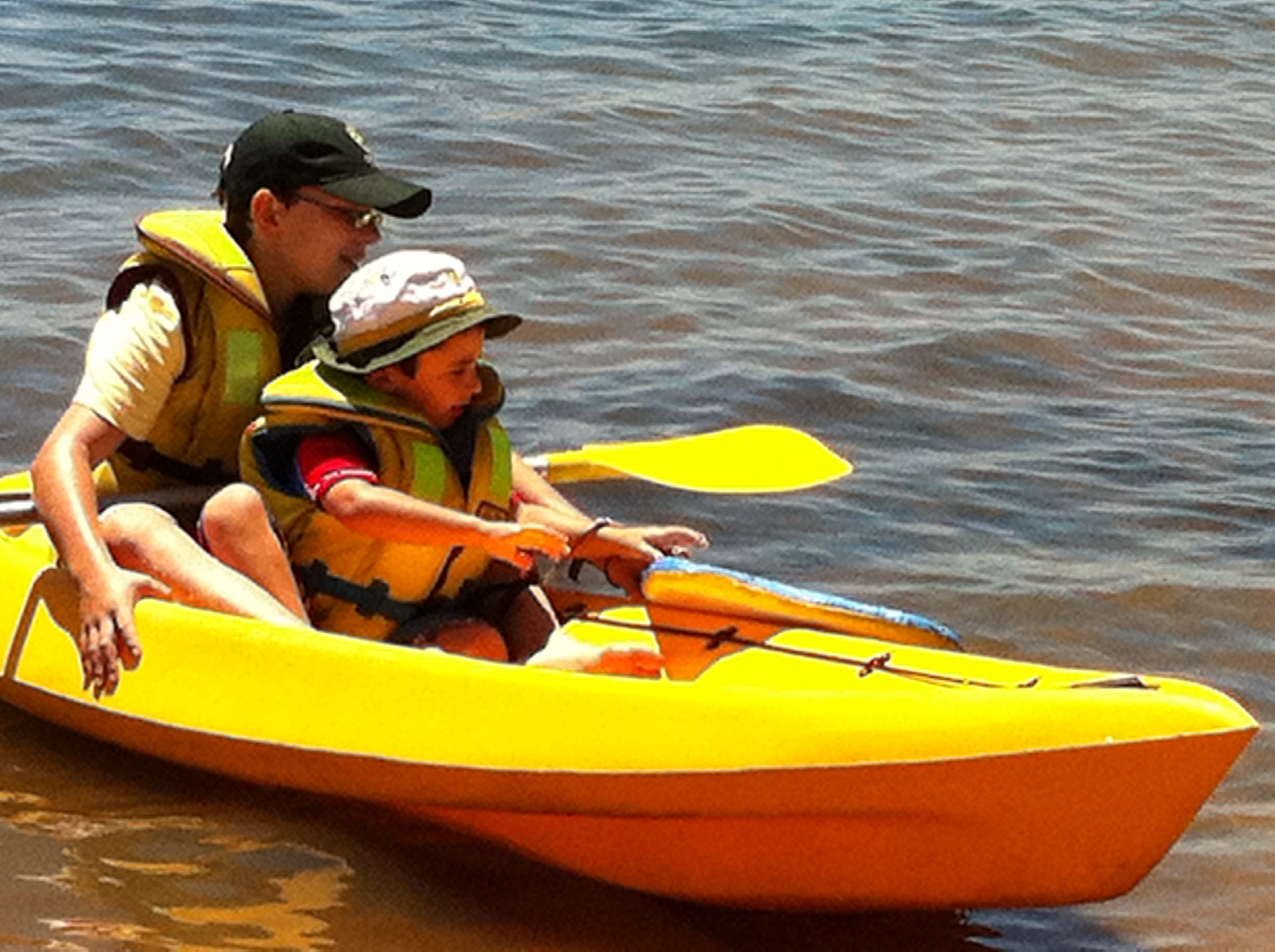
“There is nothing – absolutely nothing – half so much worth doing as simply messing about in boats.”  A claim made by Ratty to Mole, in Kenneth Grahame’s classic tale, The Wind in the Willows, that would be firmly backed up by every minor in our household.

To be the captain of your craft, or as an extension of that, the master of your own destiny, is something so foreign to a child who by necessity, must live on a daily basis by the rules and commands of senior figures. To navigate one’s own way without obligation to seek authorisation, is something the young can only dream of. Unless of course, there is access to a paddle and a boat.

Immediately, without warning,  decisions concerning enemy, invasion or location of buried treasure fall on young shoulders – and throughout, they must ensure the craft is on course and their stability within it is maintained. Strategic thought develops. To ensure the success of the mission, the relationship between captain and crew must be one of consultation, negotiation and inclusion. Team players emerge. And finally, if by chance, unforseen circumstances such as a capsize or leak should arise, reflection upon events with recommendations for future quests will be identified. Appraisal and evaluation in its infancy.

As the significant adult, your role is to remain by water’s edge, as silent sentinel, witness to the life skills that are maturing in the best way children know how – with play.

Postscript: whilst writing this post, I recalled, as a 7 year old, being passenger on a ‘tinny’ (like the one above) with my 8 year old friend and her brother on the Murray River at Wentworth Caravan Park. A regatta had been held on the water the previous day and the surface was littered with rubbish. As the brother (maybe 11 years of  age) hurtled us along (without life jackets), we leant over and scooped up cans and assorted debris, emitting shrill squeals at each successful swipe. Could not understand why my friends’ father summoned us furiously from the riverbank and forbade us from returning to the boat for the rest of the holiday ……

health and wellbeing

Brew

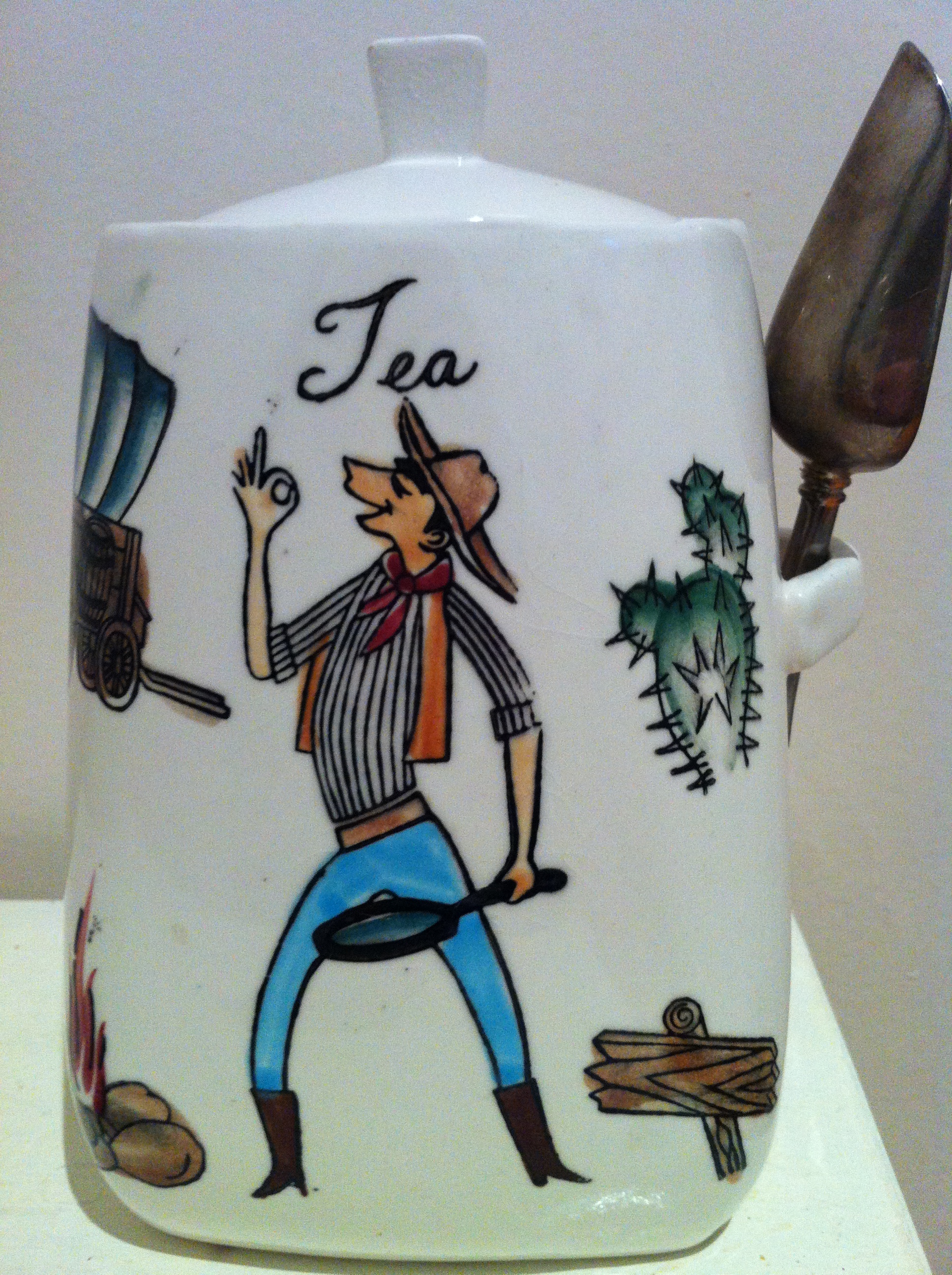
Goodness only knows why a cowboy wielding a frying pan dispenses my loose-leaf tea, but apparently the 1950s/60s Japanese manufacturers considered it to be the height of kitchen chic to do so.

Being a Twinings tea-bag girl, it’s not often that this canister makes an appearance from the back stalls of the pantry, but on the occasions when a teapot brew is called for, gosh it makes me smile.

Making a pot of tea signifies a break in the daily journey – a segment of life dedicated to ‘right now’. The ritual of tea making – warming the pot, allowing the leaves to steep and carefully straining as you pour – necessitates a slower pace and time to consider. There is nothing instant about this process.

It is no coincidence that a slice of fruit loaf tastes so good with a cup of tea – rather than when it is consumed unconsciously on-the-fly amidst email checking or grocery unpacking.  While your tea settles to drinking temperature, there is time and attention made available to savor each morsel.

In the company of friends I am more inclined to fill the teapot as it suggests multiple refills and an extension of conversation, an atmosphere the one-tea-bag-per-cup alternative fails to achieve.

It may have been a while since last you saw your teapot. If this is so, in the coming week I encourage you to seek it out, allow it to pour you a decent cup of peace and place that well-deserved comma in the lengthy sentence of your day.

Postscript: I’m sure my tea canister is one of a series, possibly having siblings named rice, flour and sugar – would love to organise a family reunion someday.

book reviews · health and wellbeing · recipes

Rosemary

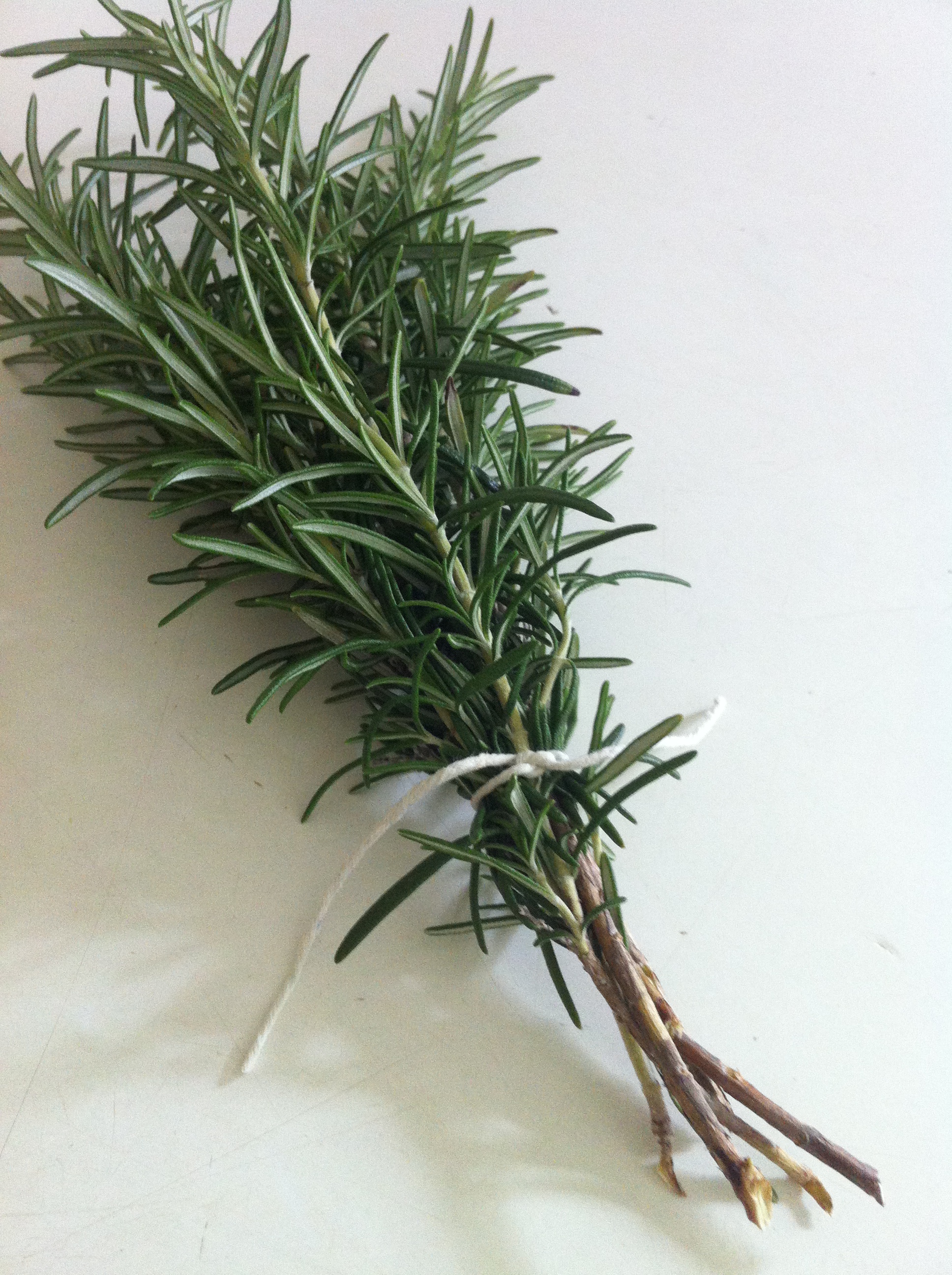
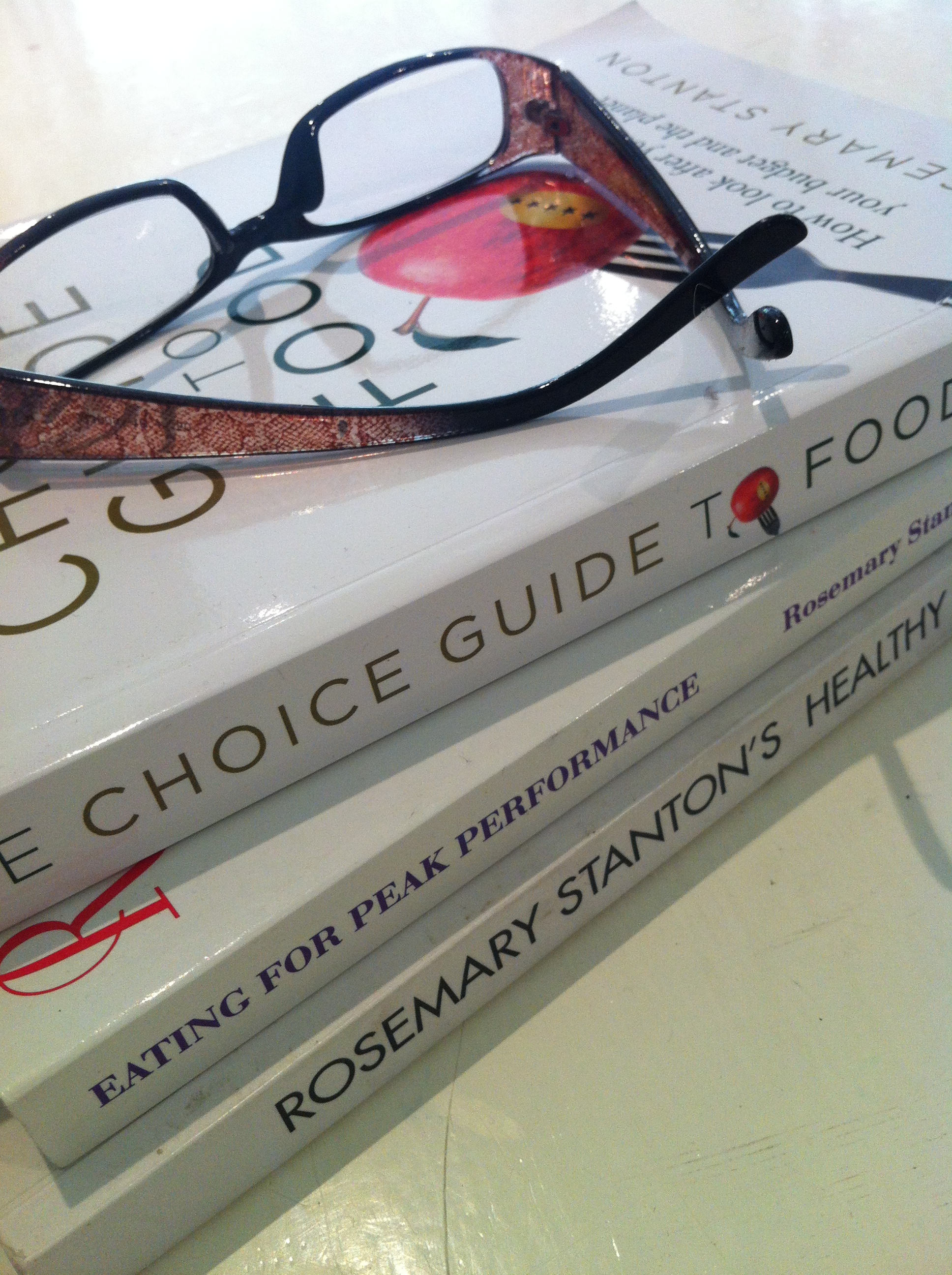
Rosemary has been an asset to me over the years. Not only for boosting the flavour of many a lamb roast, but also for the most reputable nutritional guidance one could ever hope to receive. The former of course, being the glossy green herb and the latter, Dr Rosemary Stanton OAM, one of Australia’s leading nutritionists.

Rosemary Stanton received her OAM (medal of the Order of Australia) for her services to community health. She has dispensed, across the decades, sound evidence-based information regarding food and nutrition, and during sessions of nutritional wagon falls, it is her books I turn to with a cup of lemon balm tea. My advocacy of her work is not solely based on her most recent enlightening book, The Choice Guide to Food, but by virtue of the fact that, dietary recommendations she has made in her early career and over the years, still stand today –  whilst a multitude of other nutritional claims and fads have come and gone.

When a delve into the science of human nutrition is required, we need the information to be delivered in simple terms, so we have the ability to surface with knowledge that is relevant and practical for us to live by. Rosemary’s style of writing supports this. I was thrilled to discover in her latest publication, not only does she cover food from the view of our physical health, but also for that of the health of our budget and  the planet.

To boost your own nutritional wellbeing, incorporate a couple of her recipes into your weekly meal rotation, they can be found in many of her publications or in various pages on the web. Here is her farmhouse soup from which to launch.

Let’s not overlook, however, the other rosemary who has also done a fine job throughout her career in my kitchen. Scattered over roasted potato wedges, blended through soups and kneaded into bread dough, Rosmarinus officinalis could also qualify for her own medal – for services to our taste buds.

Postscript: this post was written with a salute to Remembrance Day

health and wellbeing

Slow

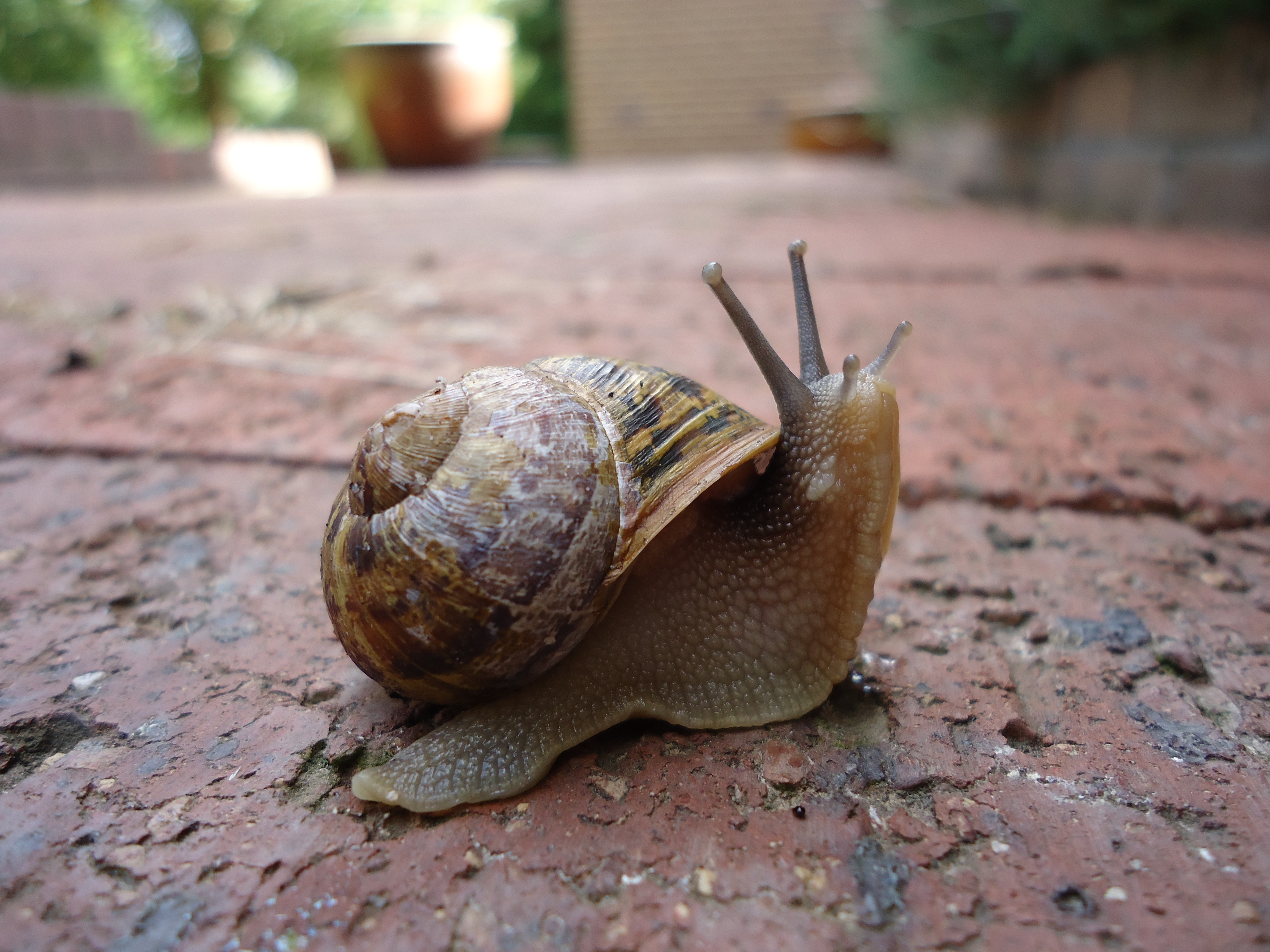
Observe the pace of a snail and you may not be particularly impressed. Plant a row of seedlings and witness the magnitude of the decimation the following morning. Conclusion: speed is not a prerequisite to achievement. Are hares and tortoises ringing bells here?

To say we have a lot to do is an understatement. We carry large bags filled with tasks and as quickly as we offload them, new bags with bigger bulges are waiting to be collected. The obvious answer to this is to work faster, harder and smarter and then surely we will get ahead of those bags. Not so – the bags keep coming – and this is a good thing really, as this is the essence of life. We are going about our business.

Believe it or not, the snail has his (relative) bags too. His approach is a measured and steady one, and without haste or anxiety he works through his bag and accepts the next one the following day.

Lately, when I see the ‘To Do’ list lengthening on my notebook, I have been looking to the snail and deliberately reducing speed. Rather than tearing through one chore at a hare’s pace with my mind on the next, I’m finding that taking my time and considering the task at hand means I can be more effective and content. Many things that are done at break-neck speed are often not done well and yes, while they can be ticked off, an underlying sense of dissatisfaction lurks.

What I have come to recognise is these bags are actually filled with pieces of life. Whether they be peeling potatoes, making time to catch up with a friend or driving to the office, they are all using allocated life time and this is far too important to be lost in an unconscious blur of scampering rabbit’s feet.

I encourage you to take it slowly this week and make like the snail. As my mother often says, life is a marathon, not a sprint, and as usual she’s right.

Postscript: I must give credit to the in-house wildlife photographer for today’s image, my daughter Adelaide.

family · health and wellbeing

Swing

Whoever coined the phrase ‘what you lose on the swings, you make up on the roundabouts’, could only have been referring to the loss of troubles and cares, because really there is nothing more to be lost and so much to be gained from a whizz through the air on a backyard swing.

Did you have a childhood swing? Mine was a modest affair – a small plank of pine board with holes drilled either side for the fastening rope to be threaded through and secured. Attached to a cherry plum tree, this swing took me many places and waited patiently in all weathers for my return.

Our present day swing sports great technological advancement since those days – now resplendent with its yellow synthetic seat. Other than that, the rope is similar, as far as I know trees are still trees, and from what I observe through my kitchen window, the youthful passengers are transported on similar journeys.

With christmas on the horizon and if you don’t already have one, a backyard swing is a wonderful family gift. While seasonal toys may break, lose pieces, run out of battery power or simply fall out of favor, your loyal swing, transcending ‘ages and stages’, will be only too happy to be part of another childhood experience.

health and wellbeing

Climb

Adventurous plans, as well as eggs, hatch in trees.

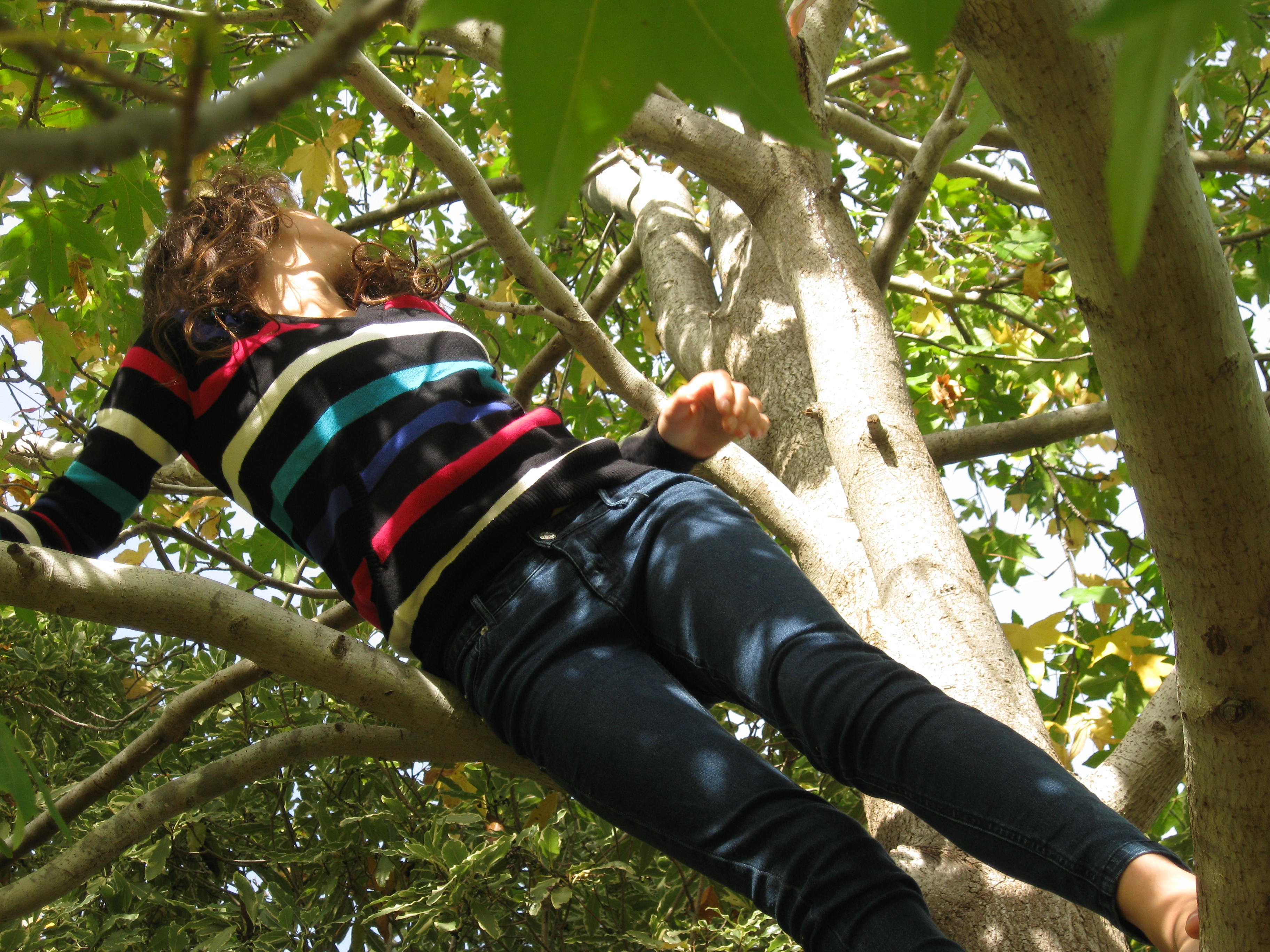
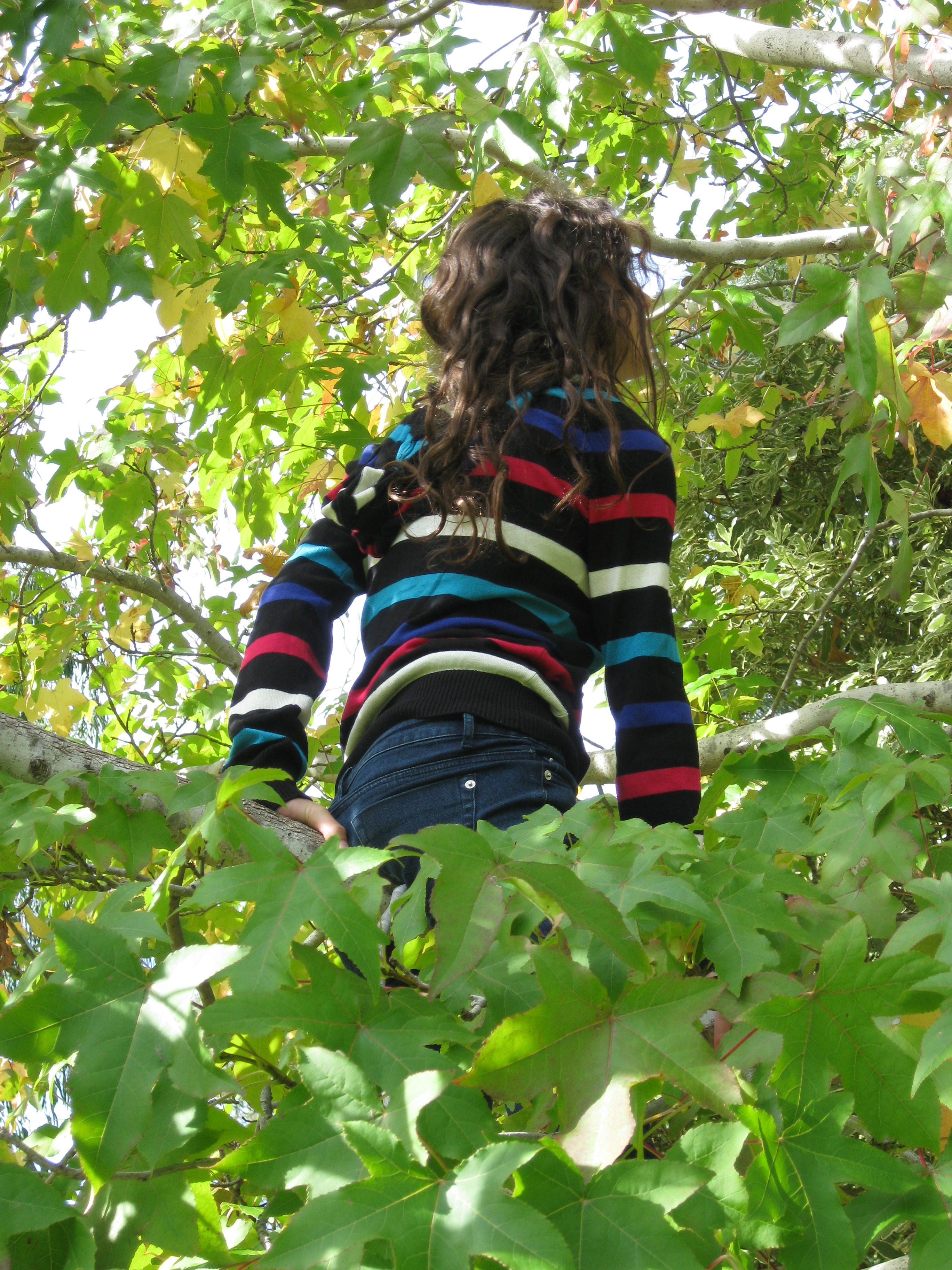
Secured on a sturdy limb, your view of the world takes on a majestic quality and suddenly all seems possible. Concealed from view, except from that of local insect and avian life, you can monitor all that passes by and plot your future. You become the author of your destiny and no one can interrupt.

Yes, tree-climbing certainly promotes gross motor skills and large muscle group development in young bodies, but the flowering of the imagination that occurs in the solitude of a tree, far exceeds these physical benefits. Despite the danger, keeping a child out of a tree can be likened to moths and flames – inevitably drawn to one another. As a mother, it has not so much been ‘don’t look down’ but actually ‘don’t look up’ –  at your cherished, metres above the earth.

So if you are happy to advocate the tree-climb but need courage conviction to be an adult bystander, remind yourself that while a child inhabits a tree she is viewing the world through a curtain of leaves, not a plasma screen, her hand grasps a branch, not a joystick and her mind is building her future not an app score.