gardening · homemaking

Vase

The floral symphony being conducted in the gardens throughout our neighborhood right now is spectacular.

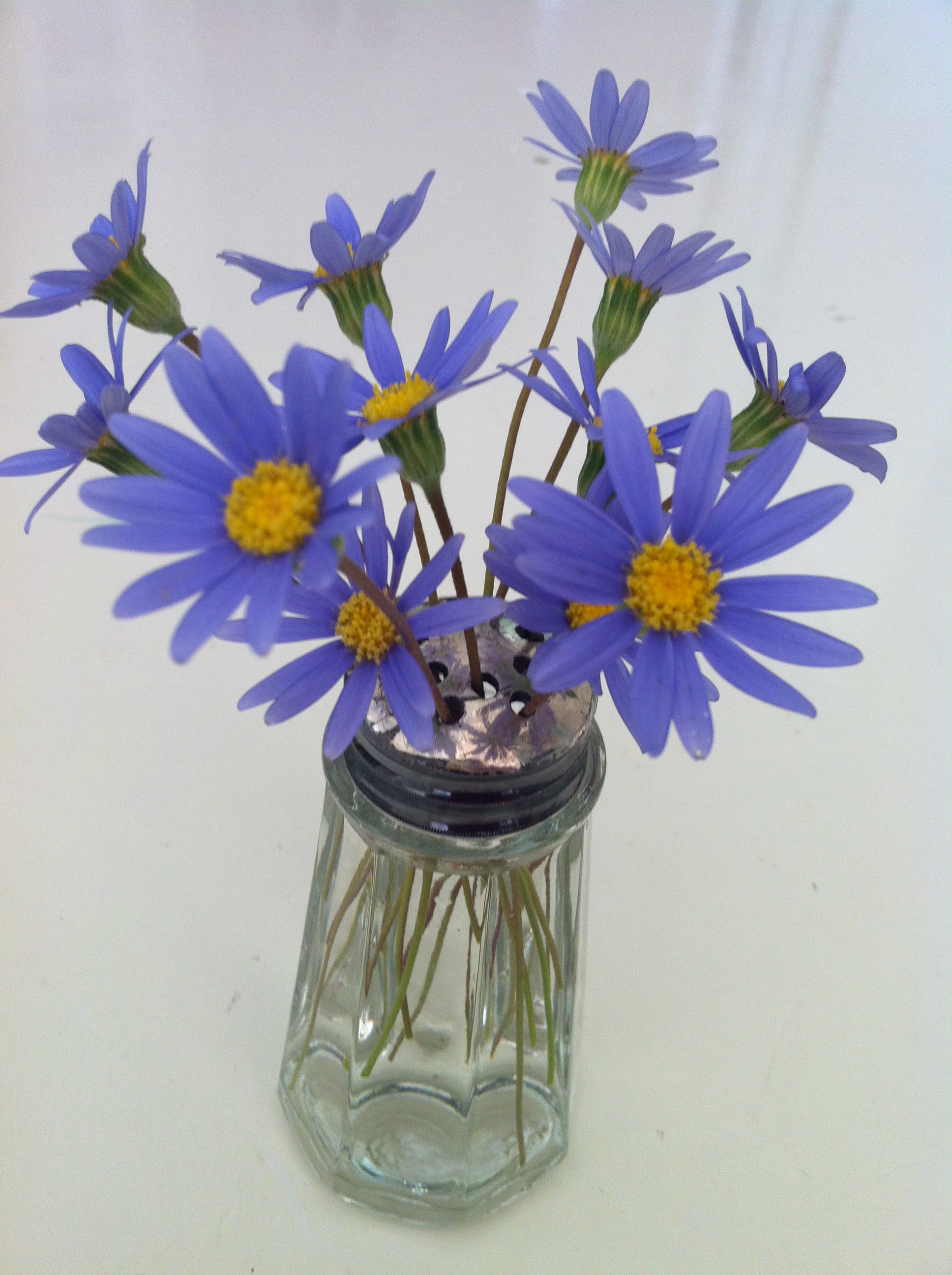
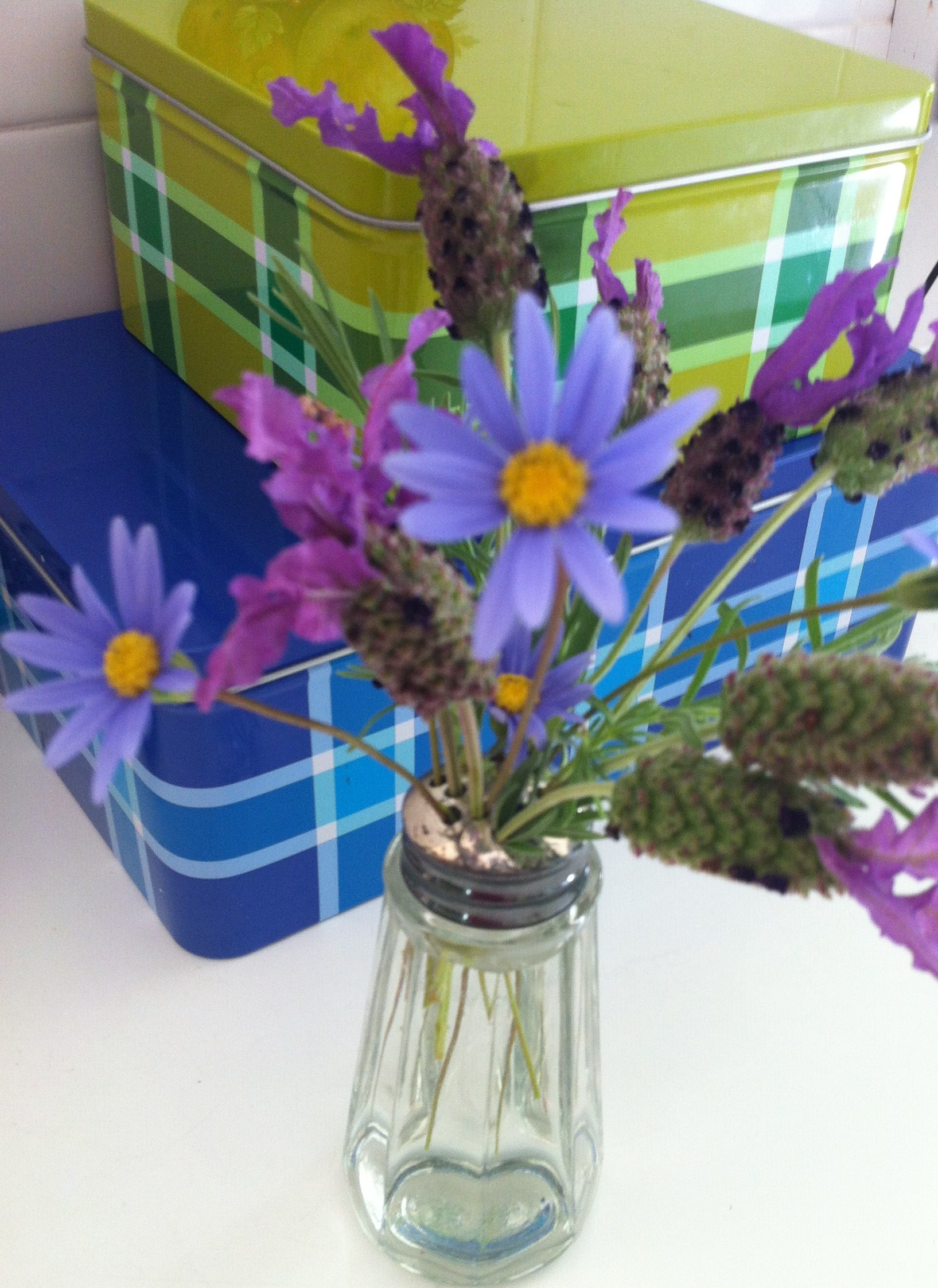
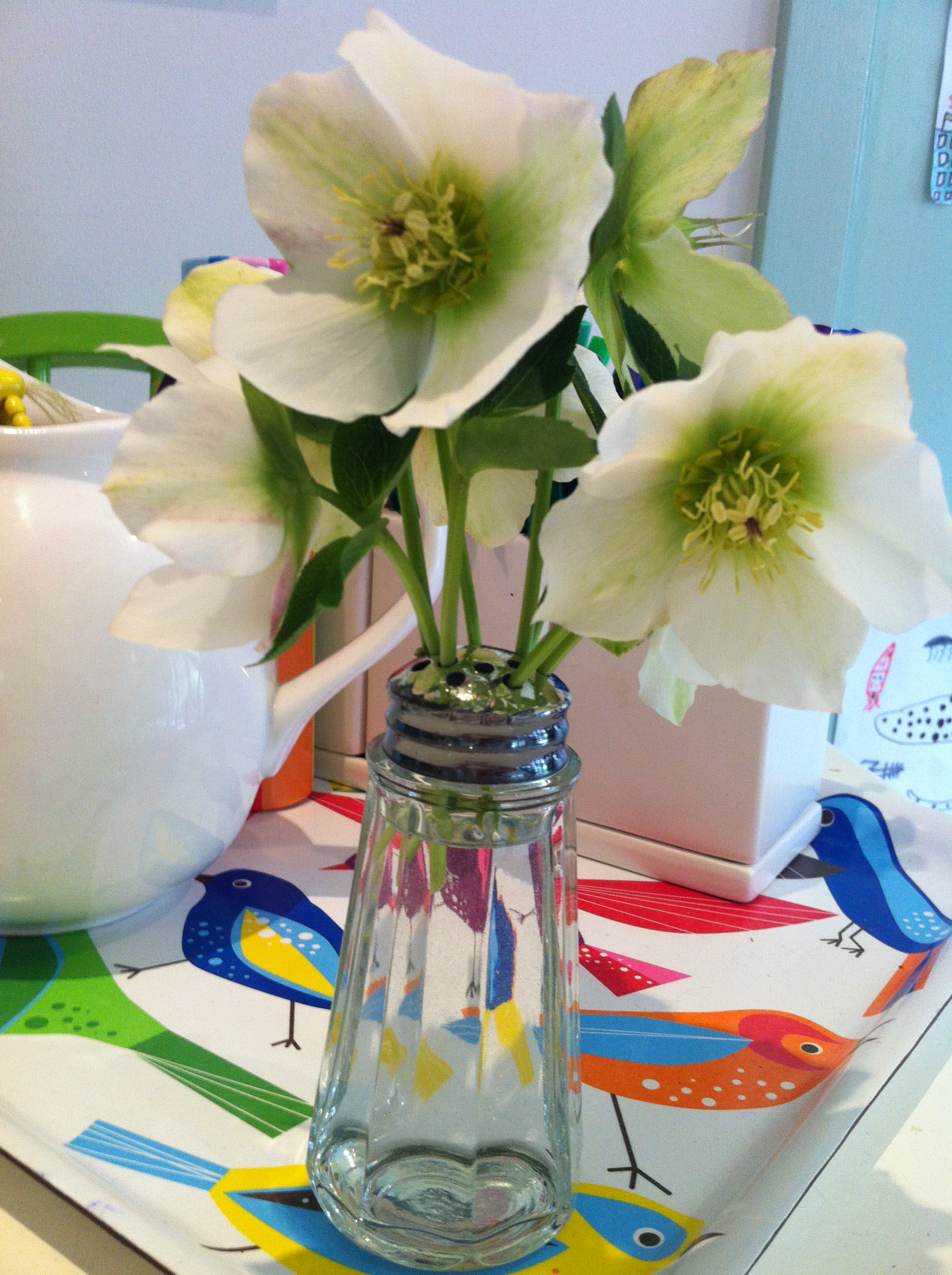
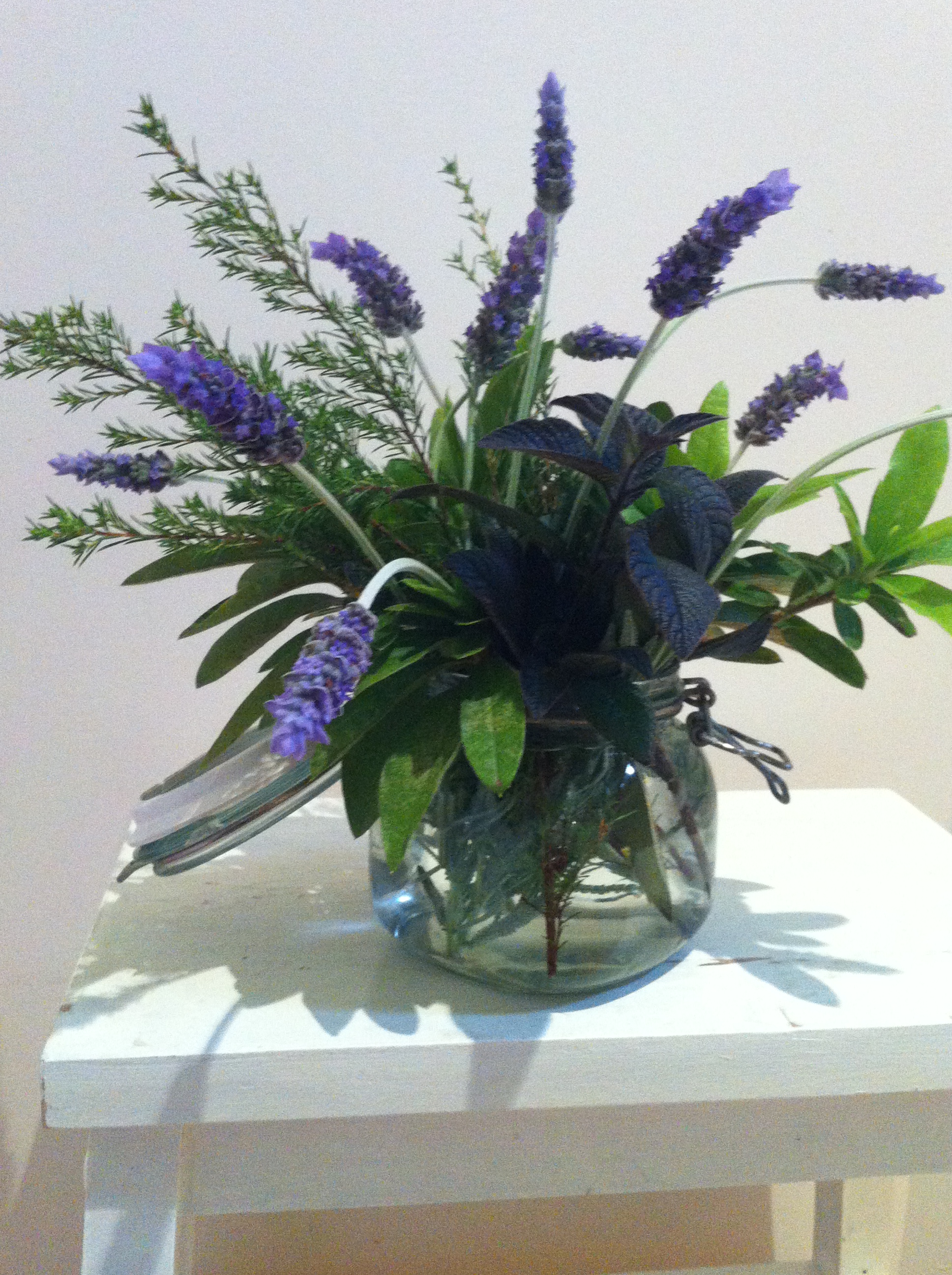
This of course happens every Spring, but each year I always see it as though for the first time, and yet again find it breathtaking. My immediate reaction is to capture it – to have a small concerto of daisies, nasturtiums or salvia playing happily in a vase in the kitchen – and I have discovered that unorthodox vessels can work a treat.

Shakers are an obvious choice,  distributing and supporting the stems beautifully. Look for these in all sizes so you can accommodate the various thicknesses of floral stems. Clip-lid preserving jars look delightful – lid thrown open with a freshly cut bunch bursting out.

Even the humble jam jar is transformed with a selection of herbs and marigolds popped inside. I challenge you to cast your eye around your home and look at your containers through different eyes. There will be no end of jugs, mugs, decanters or teapots that can be pressed into service.

Photograph them too, so that during the depths of Winter you can be reminded of the simple pleasures you have to look forward to.

health and wellbeing

Climb

Adventurous plans, as well as eggs, hatch in trees.

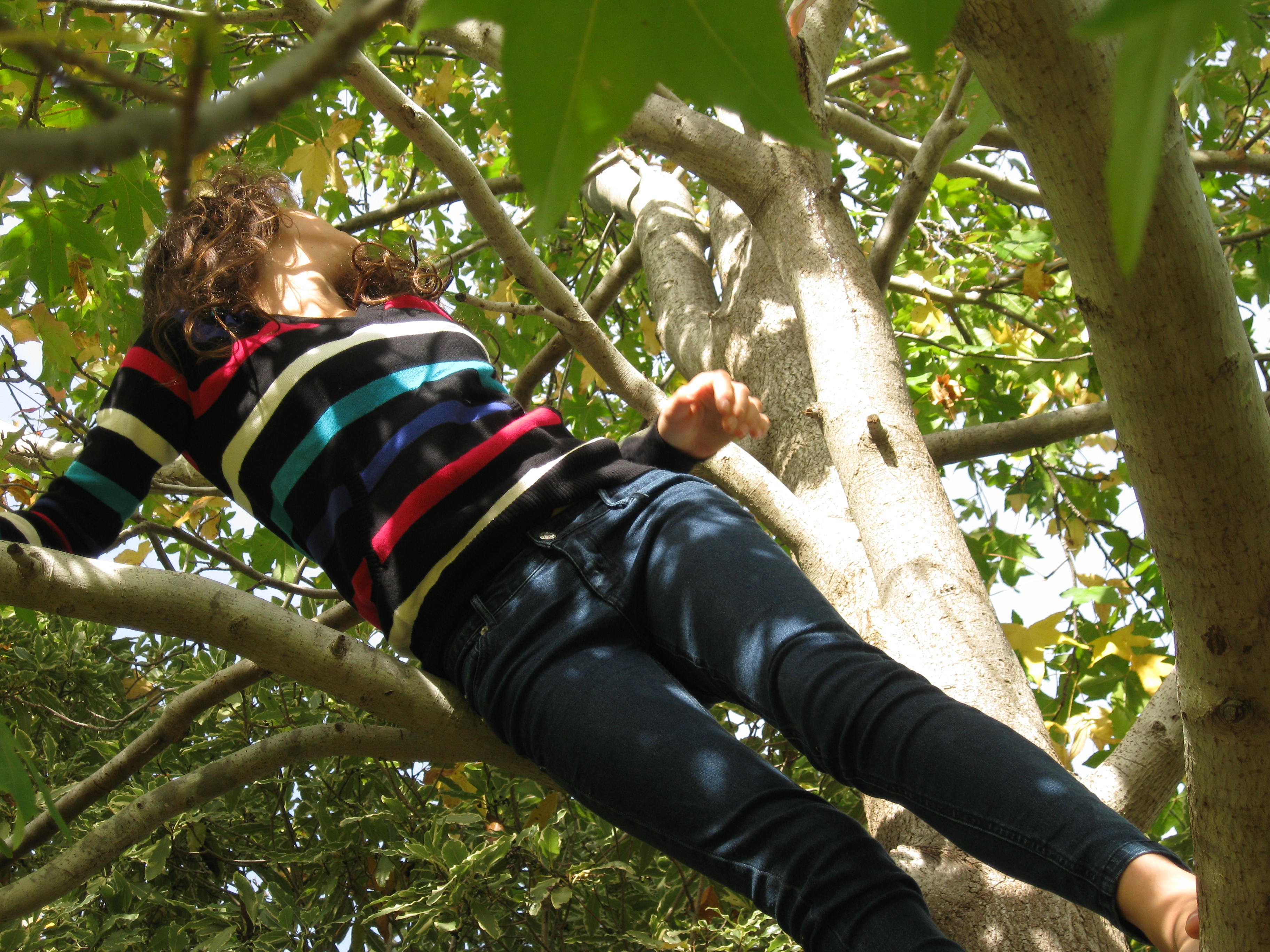
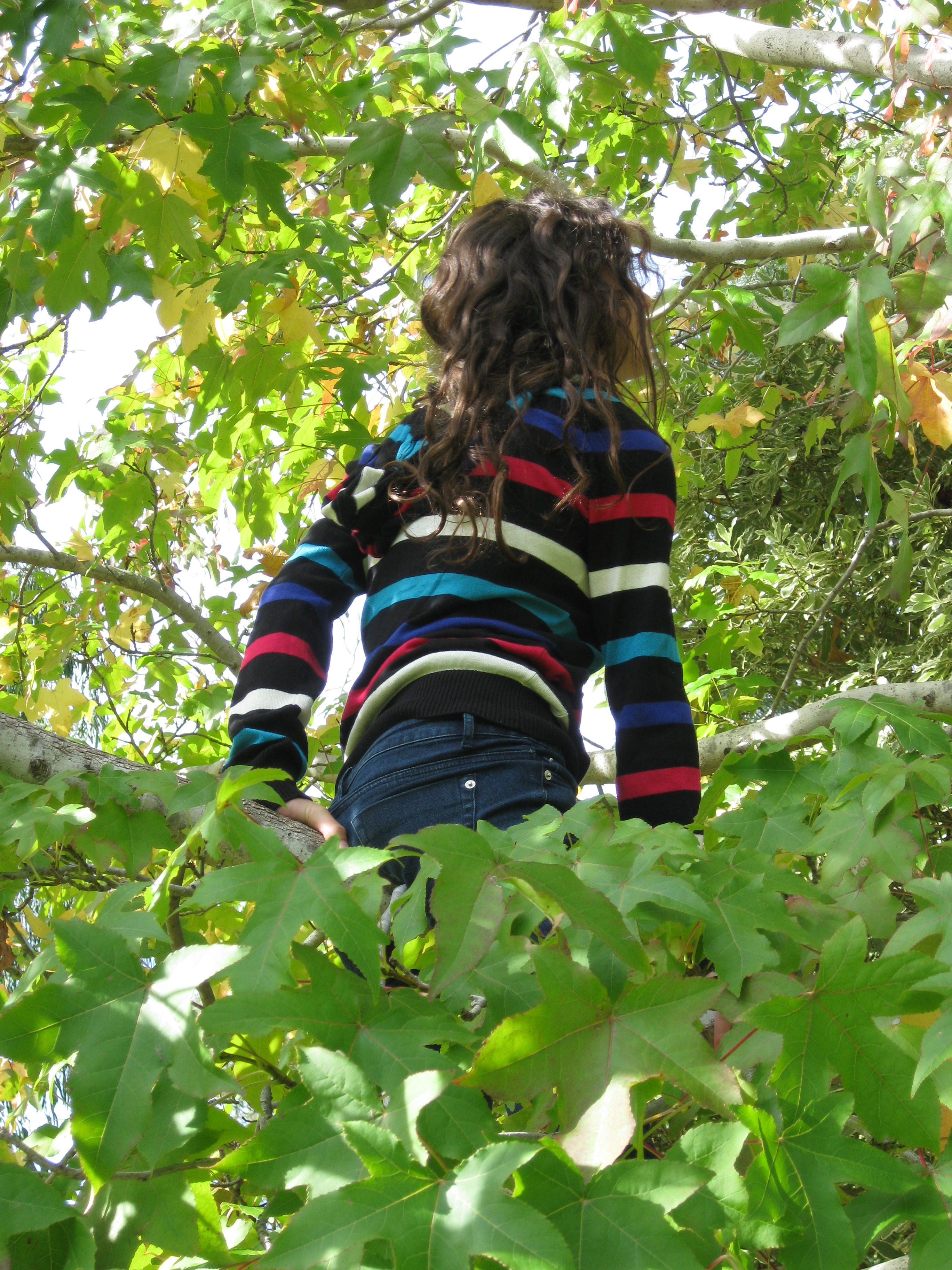
Secured on a sturdy limb, your view of the world takes on a majestic quality and suddenly all seems possible. Concealed from view, except from that of local insect and avian life, you can monitor all that passes by and plot your future. You become the author of your destiny and no one can interrupt.

Yes, tree-climbing certainly promotes gross motor skills and large muscle group development in young bodies, but the flowering of the imagination that occurs in the solitude of a tree, far exceeds these physical benefits. Despite the danger, keeping a child out of a tree can be likened to moths and flames – inevitably drawn to one another. As a mother, it has not so much been ‘don’t look down’ but actually ‘don’t look up’ –  at your cherished, metres above the earth.

So if you are happy to advocate the tree-climb but need courage conviction to be an adult bystander, remind yourself that while a child inhabits a tree she is viewing the world through a curtain of leaves, not a plasma screen, her hand grasps a branch, not a joystick and her mind is building her future not an app score.

health and wellbeing

Footfall

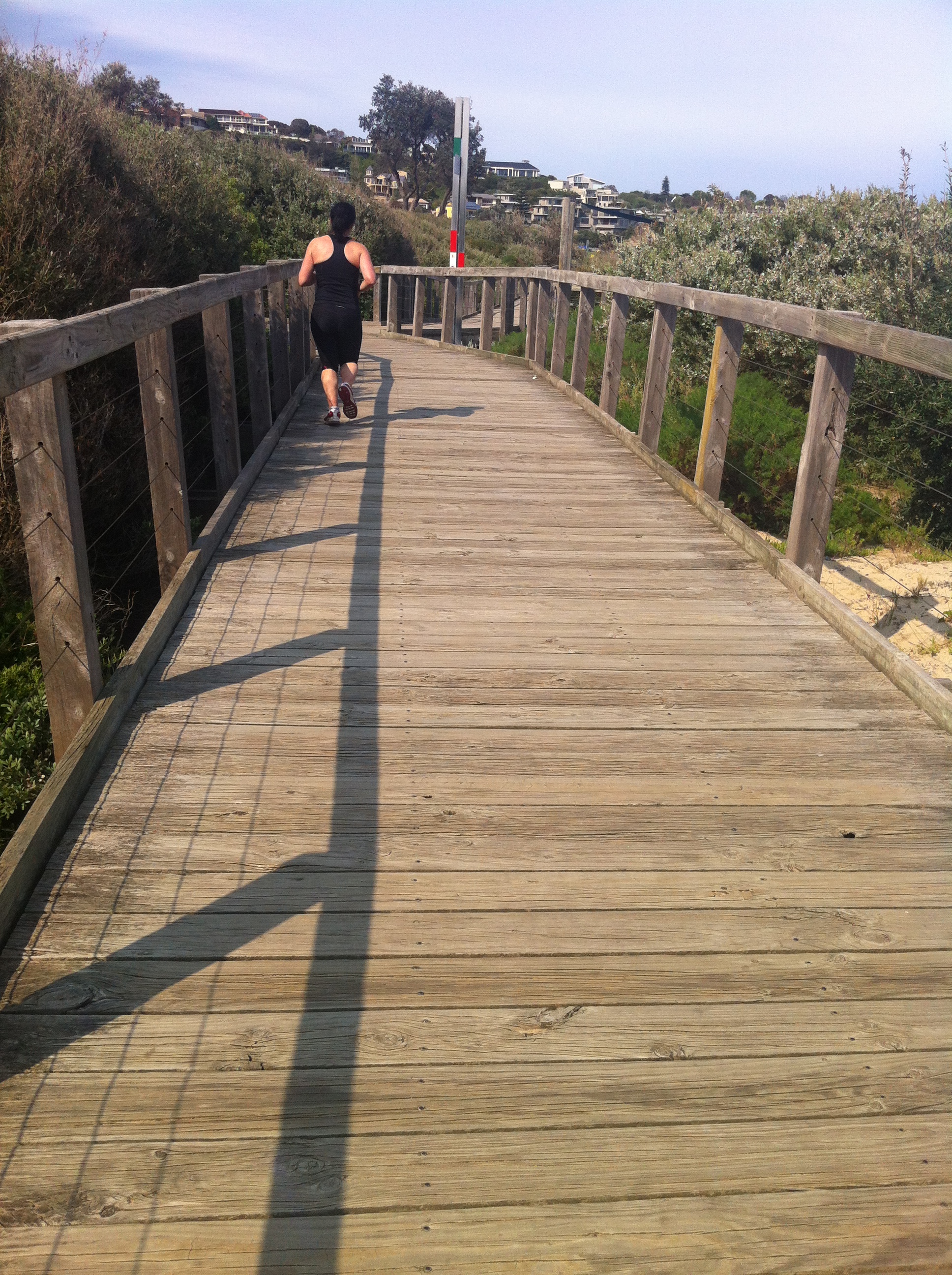
This track and I know one another well. We’ve seen each other without make-up and in all weathers. At times it has ice or dog doo on it and occasionally I am icy or feel like dog doo when I’m on it. Our relationship is quite symbiotic actually; it forges me a path of possibility and my regular visits ensures its upkeep is maintained. We make a good team.

I haven’t always been a runner, in fact I only seriously laced up my trainers a couple of years ago. Somehow deriving fitness in a gym environment seemed like baking a cake in a microwave oven – achievable, but odd. Once I regularly began to launch into the fresh air, traverse uneven surfaces, and brush past foliage, fitness became authentic.

The challenge to becoming a runner is comprehending the notion that the transformation from utter exhaustion to comfortable motion takes only a relatively short time. Initially the gulf seems vast, but after a few weeks, land appears on the horizon. The map to navigate this gulf is right here. I followed this plan and was amazed to discover that a collection of  printed numbers and sentences presented in a spreadsheet/table form could have such an impact on my health and wellbeing. Begin with this training program as I did and you will also create a special alliance with a trail of your own.

Postscript: I might add that there is also another powerful ally in this relationship and that is my running partner. She knows the track as I do. As we tread its boards, we have also managed to cover other great distances: parenting, politics, stir-fry tips, to name but a few. Our motto is simple: what is said on the track, stays on the track.

Fortunately, the track is discreet.

recipes

Crumbs

There’s nothing like running up the front steps, flinging the front door open and inhaling the aroma of baked goods cooling on the bench top. School bags lie abandoned on the floor, while wolf-like ravenous appetites are sated by mouthfuls of crumbly, chocolately warm muffins.

This is a scenario that unfolds at approximately 4.00pm on an organised good day in our home.

You don’t necessarily need  post-school hunger to enjoy fresh muffins, as any mid-morning coffee aficionado will attest, and you could do a lot worse than scoffing one of these in the car on the arduous week-night commute. Simple to prepare – as they basically comprise pantry staples and anything to be used up – muffins are a lovely way to feel productive and contented in the kitchen.

If you want your next batch to resemble those photographed, see below, but for variation eg banana, walnut, blueberry, apple and so on, begin with the first five ingredients and then add your odds and ends.

1/4 cup olive oil
1 egg
1 cup milk
1/2 cup sugar
2 cups SR flour
1 cup raspberries (fresh or frozen)
1/2 cup chocolate chips (milk or dark – your call)

  1. Pre-heat the oven to 180 degrees C and grease muffin tins.
  2. Mix together in a large bowl oil, egg, milk and sugar.
  3. Add the flour to the wet mix and stir to combine briefly – don’t over mix.
  4. Add raspberries and chocolate chips and mix through.
  5. Spoon into prepared tins and bake for approximately 20 minutes or until brown/inserted skewer is clean on removal.
  6. Cool in tin before turning out.
    (makes 12 muffins)

Postscript: Muffins do not have great longevity, so are best eaten within a day or two – we have never had to deal with that issue here…

health and wellbeing

Bicycle

A day spent on a bicycle is a day well spent.

Cycling is the true cross-generational activity – something you’ll notice as you glide past parents, teens and tweens all securing their part of an outdoor experience on bikes of varied incarnations.

Other than balance, little skill is required to pedal along and see up-close versions of the gardens and bush tracks that may only be glimpses throughout your motorised daily commute.

On a sunny afternoon, we take great pleasure in heading off in a new direction to discover local ‘unchartered’ territory. The constraints of time, schedule and expectation evaporate in the sunshine,  to leave a residual of contentment. Often on these journeys I ponder possibility or simply enjoy what is.

When you are next presented with the opportunity of a clear day, pack a flask and a bun in your pack, mount your treadley and discover where the day leads you.

Postscript: Of course, one of the finer points of a day out cycling is ensuring you factor in an ice-cream stop-off on the homeward journey.

recipes

Boiled

If ever I was to write a cookery book, there would be entire chapters devoted to fruit cakes and plum puddings.

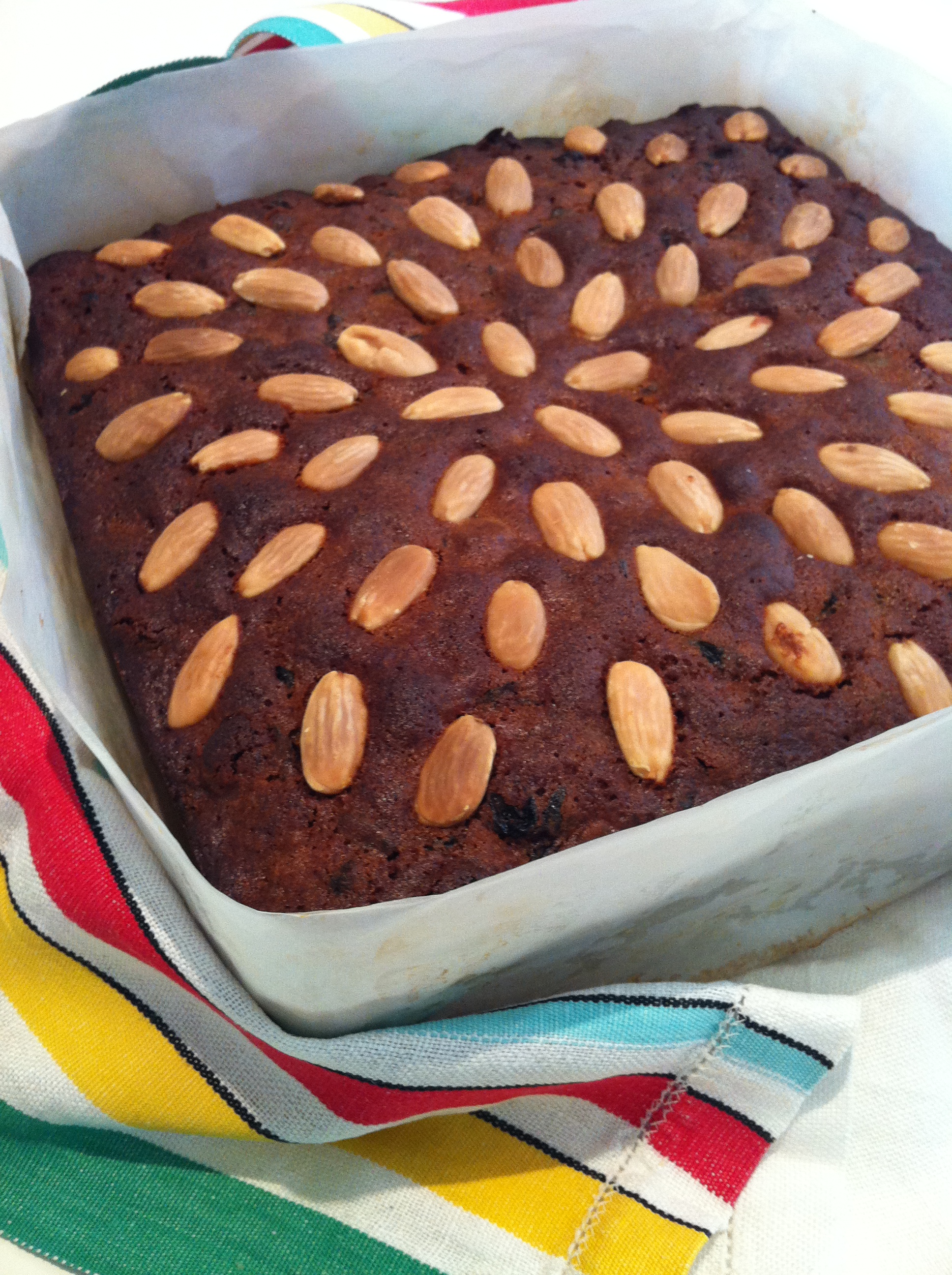
Leafing through my tear-sheet  recipe collection, I seem to have amassed an inordinate amount of christmas cake and pudding recipes, to the exclusion of almost everything else. I find the look of rich, golden fruit cakes photographed in pre-christmas publications very seductive and cannot resist adding another to my stash. However, despite this virtual fruit cake catalogue, it is the reliable old standby that I opt for every time.

My preference is for a boiled rather than creamed (beating butter and sugar together) fruit cake because the initial bubbling of the fruit in the liquids produces a dark syrupy mix, full of fruity flavour – and it’s easier!

1kg mixed dried fruit
100g glace cherries, halved
250g butter
1 cup brown sugar, firmly packed
1/2 cup sherry
1/2 cup water
5 eggs, lightly beaten
1 tbspn treacle
2 tspns grated orange rind
1 3/4 cups plain flour
1/3 cup SR flour
1/2 tspn bicarbonate of soda

small packet of blanched almonds to decorate

  1. Pre-heat oven to 150 deg C.
  2. Grease and line a deep 19cm square cake tin with two layers of paper (brown paper or baking paper). Allow paper to extend above  the sides of the tin.
  3. Place fruit, butter, sugar, sherry and water in a saucepan over medium heat and stir until sugar has dissolved. Bring to the boil, reduce heat and simmer, covered for 10 mins. Take off heat and cool.
  4. Stir eggs, treacle and rind into fruit mixture.
  5. Stir in sifted dry ingredients.
  6. Spread into prepared tin and top with blanched whole almonds.
  7. Bake for about 1 1/2 hours. Depending on the type of oven you have it could take longer, so check by testing with a skewer. If the skewer comes out of the middle of the cake dry it’s ready.
  8. Cool in the tin.

Not done yet. The next part is to wrap and store. Mine is currently swaddled in its original baking paper, a layer of foil and an aesthetically pleasing tea-towel. If you can, pop it away in the pantry for a month. By early December, you will be rewarded with a nicely matured seasonal cake to share with family, and friends who drop by for coffee.

Postscript: could not resist including an image of the divine Mildara Chestnut Teal Sherry bottle label – which is equally as seductive as the cake glossies!
craft · health and wellbeing

Crane

A  work colleague of ours is dealing with a difficult illness and in response, her family and friends have decided to fold 1000 paper cranes to peacefully assist her.

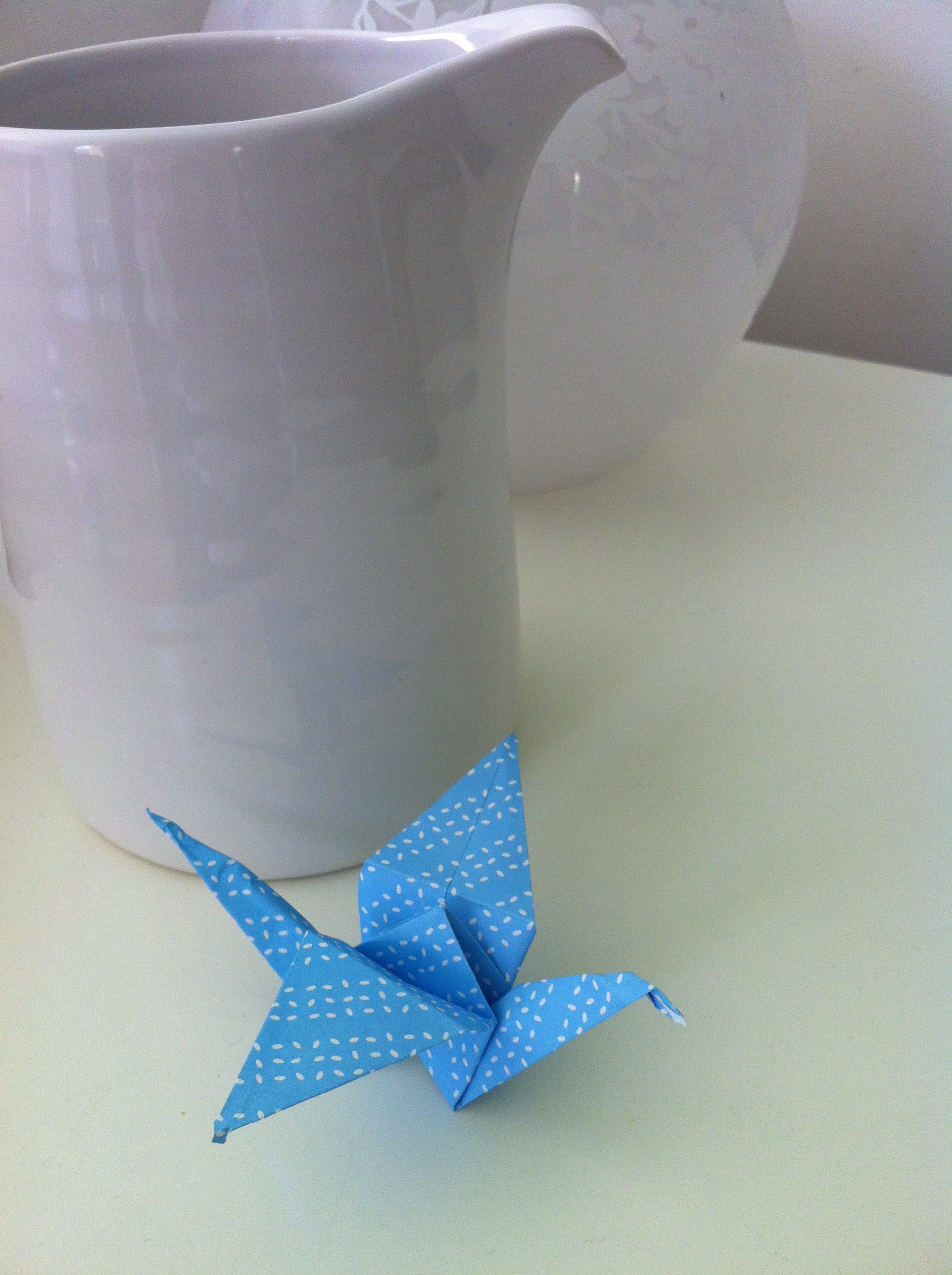
If you are not aware of the story behind the origami cranes,  it originates from a Japanese legend. In Japan, the crane is a considered a sacred bird and the belief is that if 1000 paper cranes are folded the recipient will be granted a wish or eternal good luck by a crane.

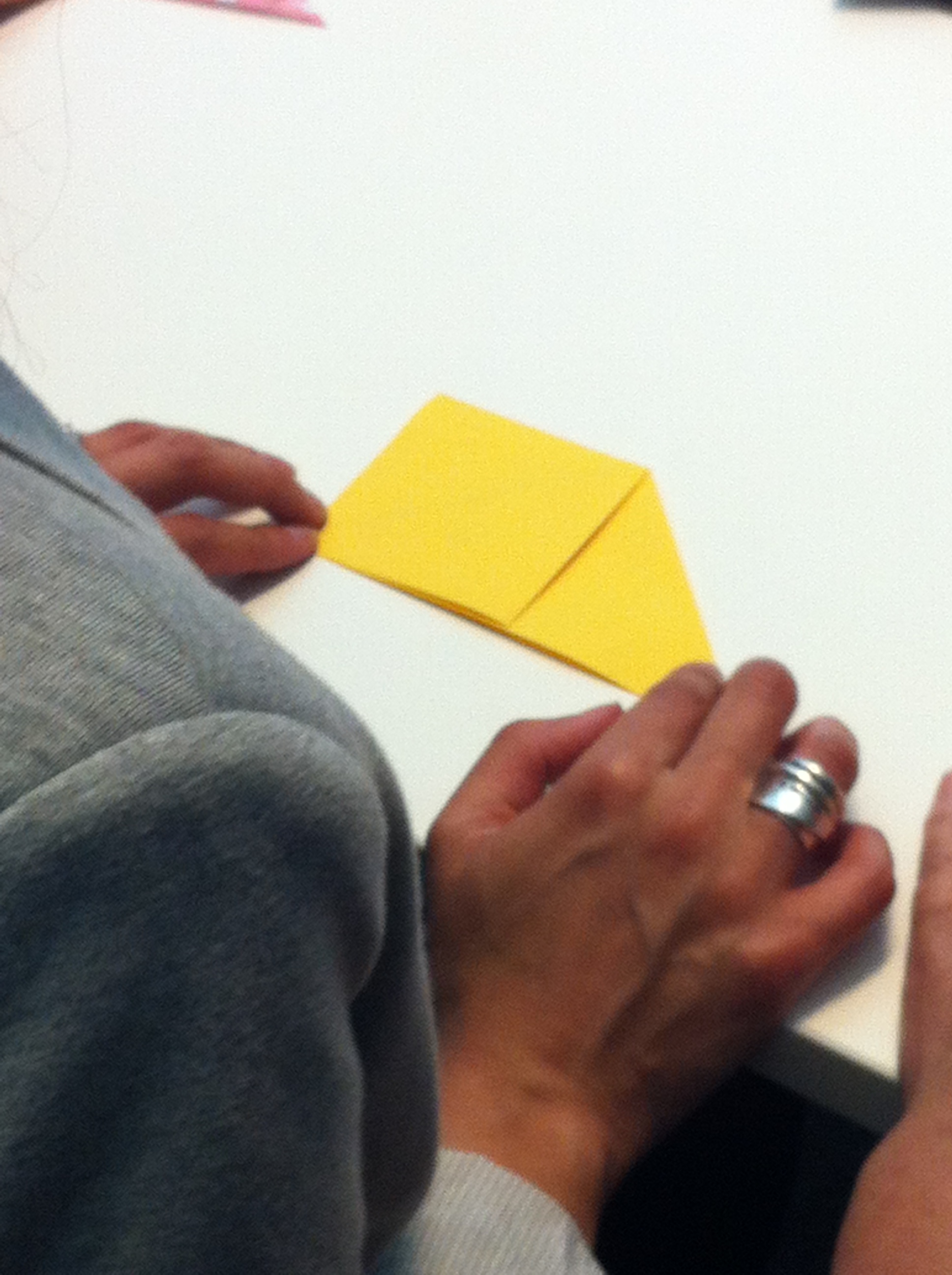
Keen to support this, a large group of us set about folding cranes for our colleague. Whilst we didn’t quite reach 1000 in the time we spent, there are now a large bundle of cranes that will join many others folded by a network of people who care.

What I saw, were many pairs of hands employed by compassionate hearts.

Folding an origami crane for someone special, is a simple yet powerful gesture to make.

Postscript: To brighten someone’s day, you can find the crane folding directions here. If you need greater visual guidance, YouTube offers many clear demonstrations.

family · health and wellbeing

Contemplation

Have you seen the inside of a dead spider?  Ever tasted sausages with chocolate topping? Do you know what color the neighbour’s letterbox is?  Thought not, but there are masses of children who have and do.

The reason for this is they have the time and the inclination to find out. Lying on the grass gazing skyward for an hour or squatting over the heating vent fishing out long deceased insects are things they have space in their day for or simply bother to do. Maybe the contents of your ducting or an arachnid’s innards are not objects of fascination for you, but there are a range of lovely things around us that, as adults consumed by ‘task-driven’ existences, fail to notice or enjoy.

Life presents us with an abundance of complications that can consume our headspace, but it’s difficult not to smile when presented with a be-candled cake or discovering that the new shoots of the bean seeds have finally come through. And therein lies the fundamental motivation behind the creation of this blog – to highlight those everyday, plain and simple things that surround our lives, as a reminder of what we have, can do or can be.

Post script: There has been a lot of talk about ‘mindfulness’ these days and countless books and articles written about living in the moment. While this is certainly a healthy approach to living our days, it is really not a new phenomenon – just ask any child.

homemaking

Pot

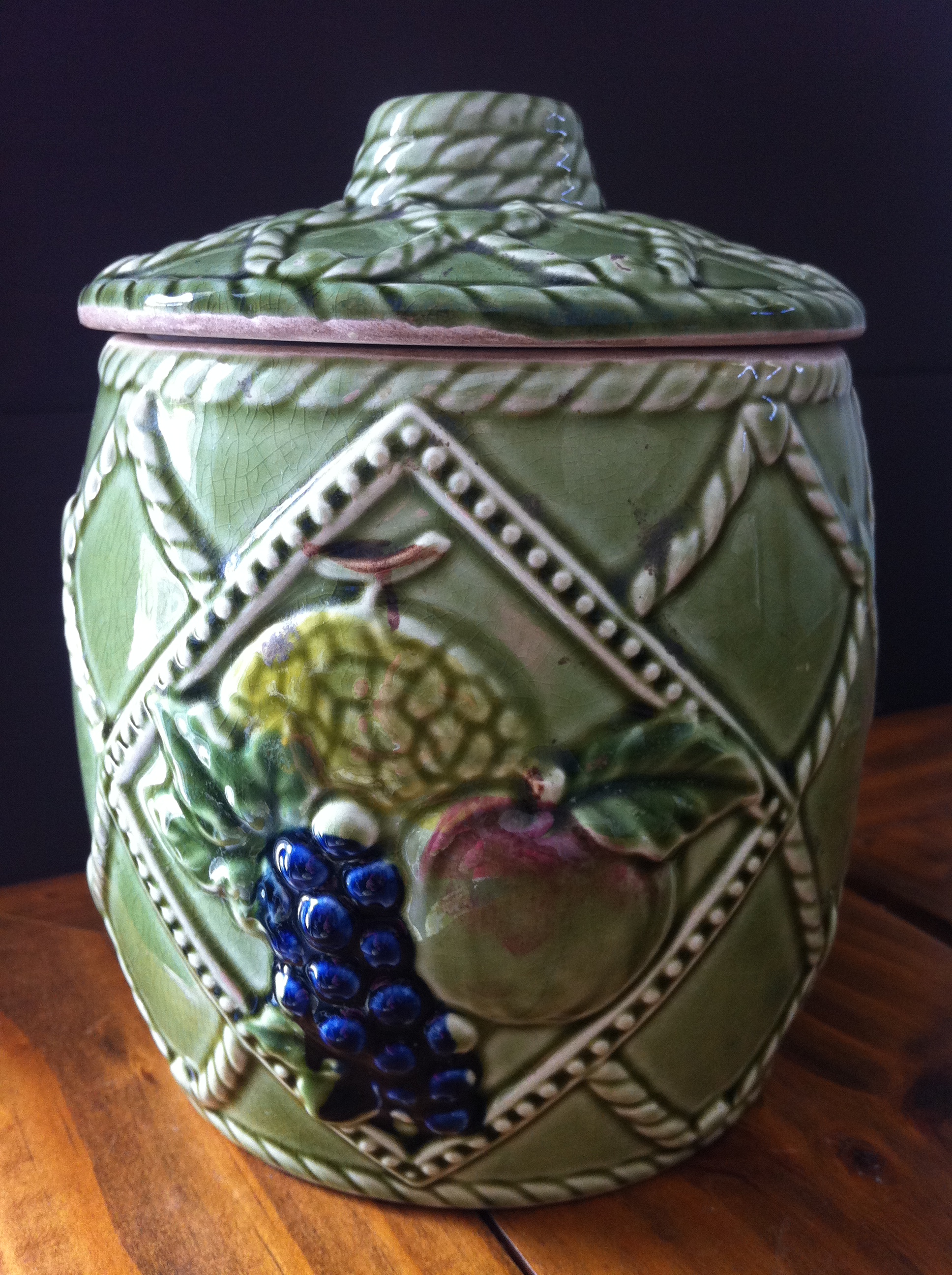
There is a lot of satisfaction to be gained when you use an object of beauty or interest to fulfil a utilitarian purpose.

I found this old dear in a thrift shop and she now resides next to my computer holding pens, tape measure and other assorted paraphernalia necessary for online browsing.  Any clutter vital items that land on the desk, get tossed under her lid. In fact she is the extraordinary who creates orderly.

We do have a tendency to organise ourselves this way in other areas of the home, with the potatoes living in a pottery urn, the eggs in a ceramic ‘chook’ and the washing powder in a large preserving jar. All containers are quirky, thrifted and repurposed.

Giving new life to objects with a history is a way of saluting the past and making a commitment to a sustainable future.

Post script: if anyone knows the history of this fruit jar, don’t hold back.

craft · gardening · homemaking

Sachet

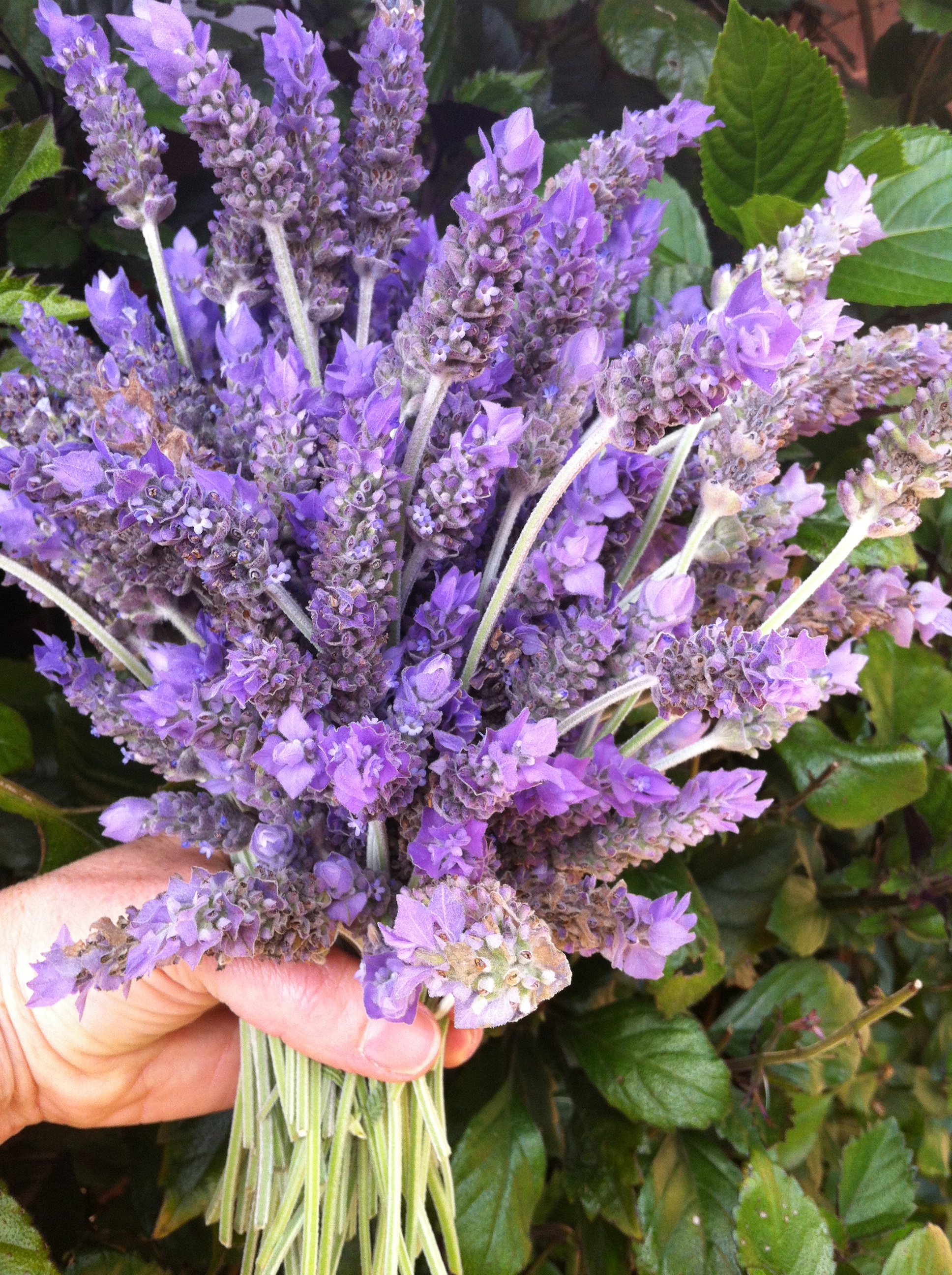
When lavender is blooming, all is well with the world.

Bees waste no time bustling around, seeking out the makings of their honey, while the purple heads nod in the light spring breeze.

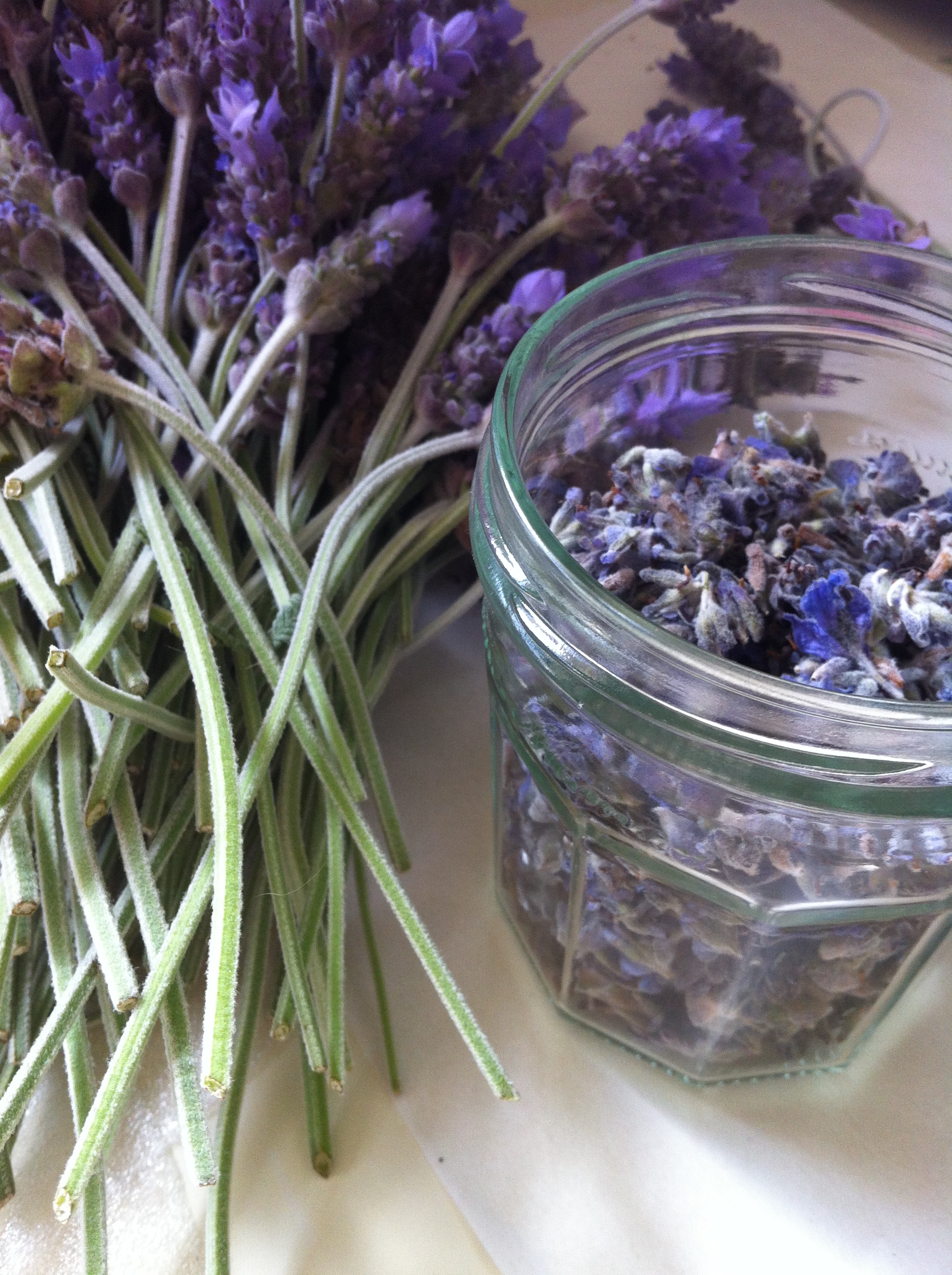
After you (and the bees) have enjoyed the best of the blooming time, you can harvest your lavender for sachet making. Cut a nice bunch and lie it flat for about a week or so to dry. When the flowers feel ‘crispy’, shed the heads into a jar. You can even collect the tiny seeds for new plantings while you’re about it.

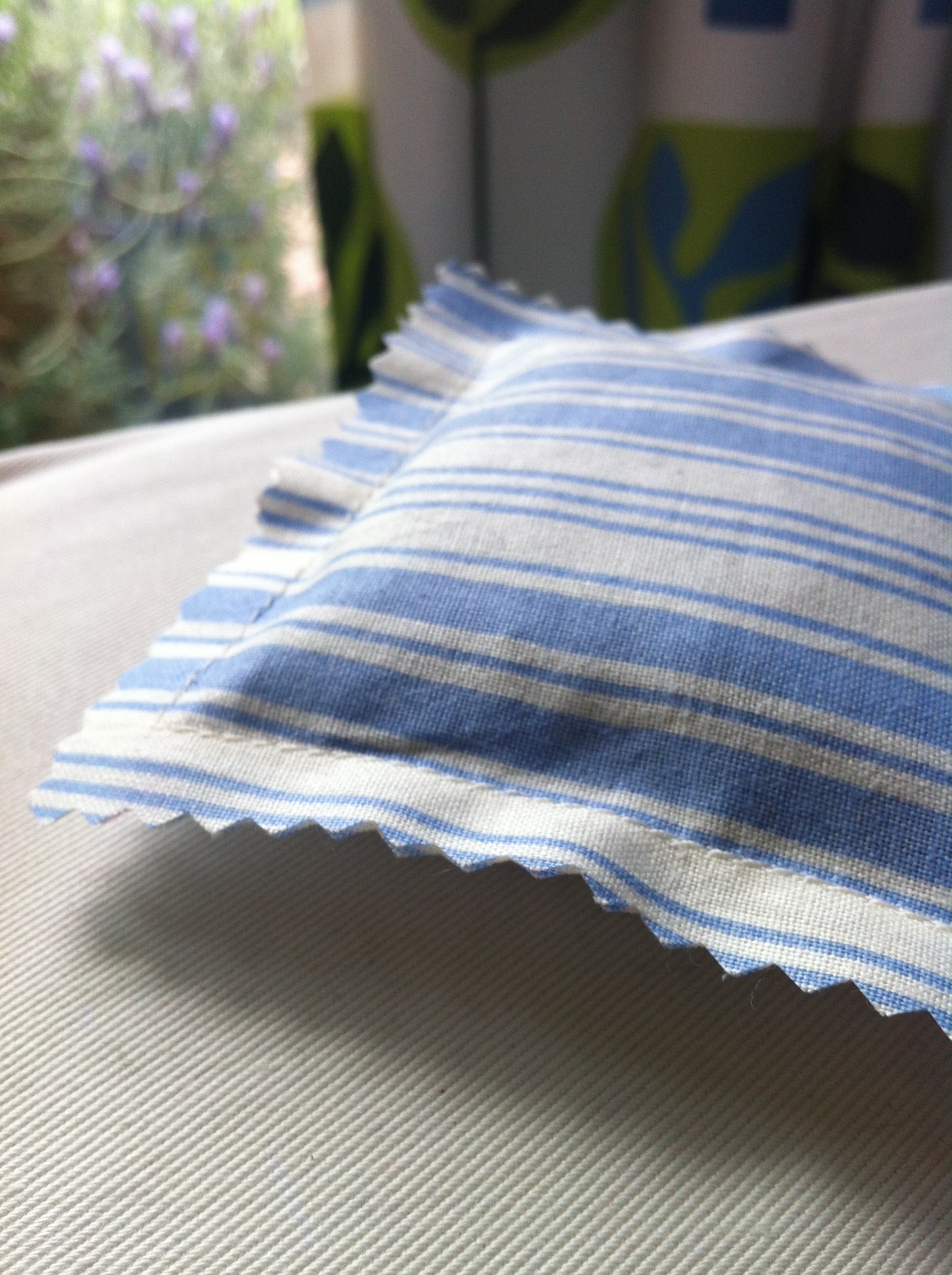
To make the sachets, cut two 4 inch squares of fabric, place them together and sew around three of the sides (about 1/2 inch in from the edges). Fill the bag through the opening you created, with your fresh harvest. Sew up the last side. Use pinking shears to trim the four sides. Tuck your sachet away, and enjoy the fragrance whenever you visit!

These sachets are quick to make, so rustle them up in batches and dot them around your home. Mine live between towels and sheets, with the socks and undies and if I remember, under my pillow.